Author: Rose Melton

  • James Martin Christmas Cake

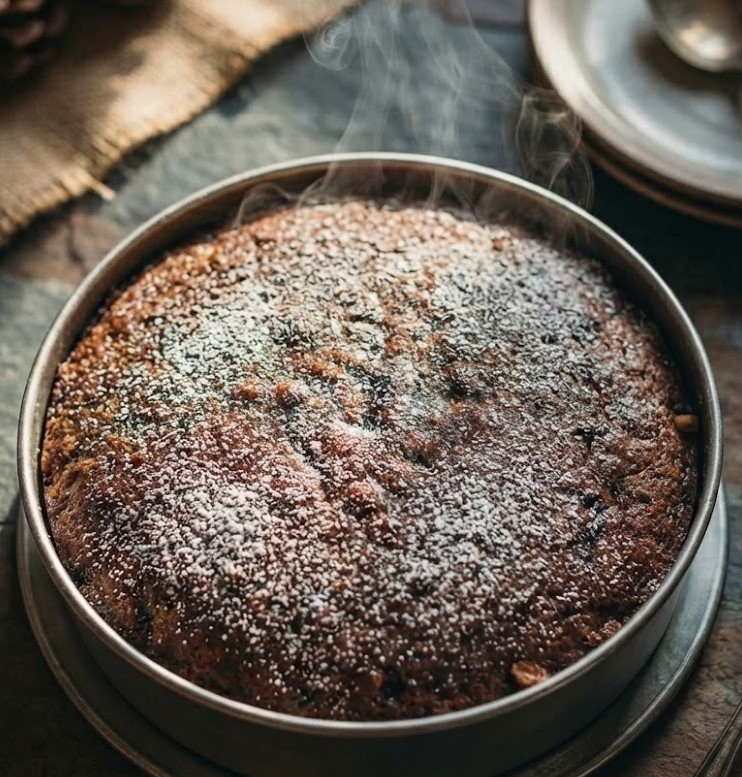
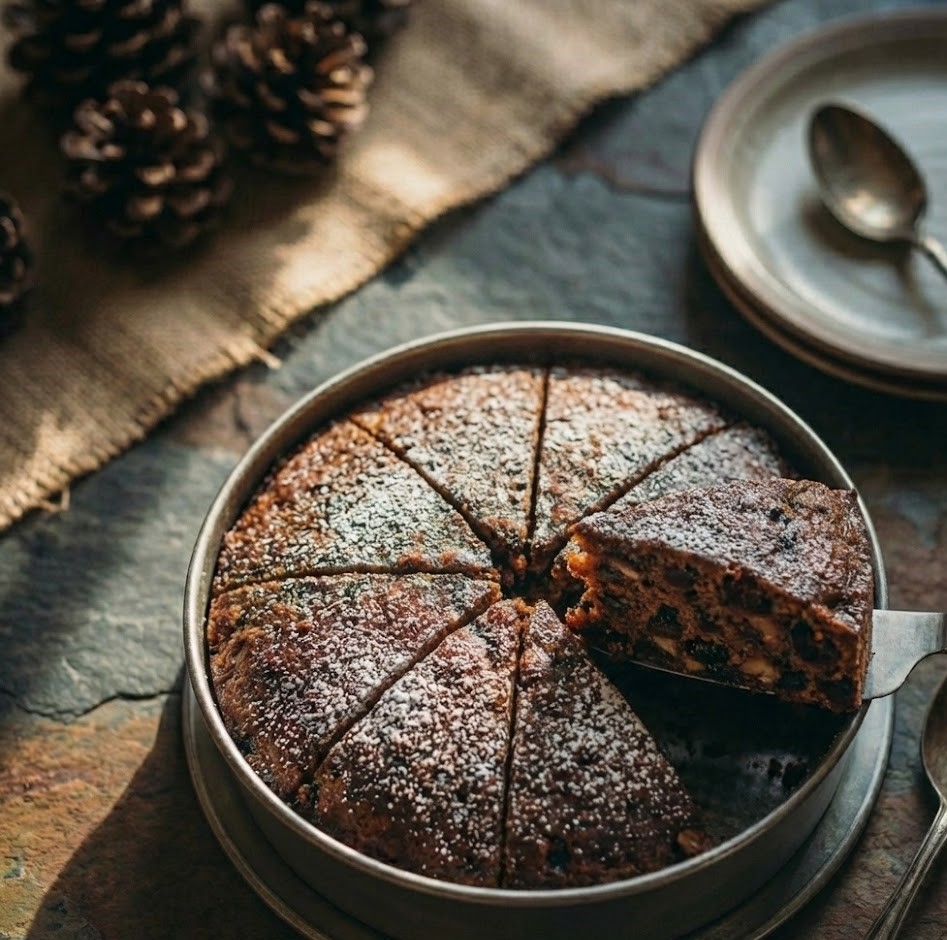
    James Martin Christmas Cake

    This traditional Christmas cake is rich, moist, and deeply flavoured with dried fruits, warm spices, and a gentle hint of citrus. The texture is dense yet tender, designed to slice cleanly while staying beautifully soft for weeks. It is a confident but manageable bake for any home baker who plans ahead. Total time is long but mostly hands off, making it perfect for festive preparation.

    Ingredients

    For the fruit mixture

    • 300 g raisins
    • 300 g sultanas
    • 200 g currants
    • 100 g glace cherries, halved
    • 50 g mixed peel
    • Zest of 1 orange
    • Zest of 1 lemon
    • 150 ml brandy or orange juice

    For the cake batter

    • 250 g unsalted butter, softened
    • 250 g dark brown sugar
    • 4 large eggs, at room temperature
    • 250 g plain flour
    • 1 tsp baking powder
    • 1 tsp ground mixed spice
    • 1 tsp ground cinnamon
    • 50 g ground almonds
    • 1 tsp vanilla extract
    • Pinch of salt

    For feeding and finishing

    • Extra brandy, optional
    • Apricot jam, warmed, for glazing
    • Marzipan and icing, optional
    James Martin Christmas Cake

    How to Make Christmas Cake

    • Prepare the oven and tin:Preheat the oven to 140°C conventional or 120°C fan. Grease and line a deep 20 cm round cake tin with a double layer of baking parchment on the base and sides.
    • Soak the fruit:Place all the dried fruits, cherries, mixed peel, and citrus zest into a large bowl. Pour over the brandy or orange juice, stir well, cover, and leave to soak overnight or for at least 6 hours.
    • Make the cake batter:Cream the butter and dark brown sugar together until soft and lighter in colour. Add the eggs one at a time, mixing well after each addition. If the mixture starts to curdle, add a spoonful of flour.
    • Combine the dry ingredients:Sift the flour, baking powder, spices, and salt into a separate bowl. Stir in the ground almonds.
    • Bring everything together:Fold the dry ingredients into the creamed mixture, followed by the soaked fruit and any remaining liquid. Add the vanilla extract and mix gently until everything is evenly combined.
    • Bake the cake:Spoon the mixture into the prepared tin and level the surface. Bake on the lower shelf of the oven for about 3½ to 4 hours. The cake is ready when a skewer inserted into the centre comes out clean.
    • Cool and store:Leave the cake to cool completely in the tin. Once cold, wrap it tightly in baking parchment and foil.
    • Feeding and finishing:If feeding the cake, pierce the top with a skewer and drizzle over a little brandy every week. When ready to decorate, brush the cake with warm apricot jam and cover with marzipan and icing if desired.

    Tips for the Best Christmas Cake

    How do I stop my Christmas cake from burning?

    Bake the cake low and slow, and keep it on a lower oven shelf. The double lining of the tin protects the edges from overbrowning.

    Why is my Christmas cake dry?

    Overbaking is the most common reason. Check the cake earlier rather than later and make sure the fruit was well soaked before baking.

    Can I make this cake without alcohol?

    Yes. Replace the brandy with orange juice or apple juice for soaking and feeding.

    How far in advance can I bake Christmas cake?

    This cake improves with time and can be baked up to three months ahead if wrapped and stored correctly.

    Serving Suggestions

    • Slice thinly and serve with tea or coffee
    • Pair with a sharp cheddar or Wensleydale cheese
    • Serve as part of a festive dessert table

    Storage

    Room temperature

    Store wrapped in parchment and foil in an airtight tin for up to 3 months. Feed occasionally if using alcohol.

    Refrigerator

    Not recommended as it can dry the cake out faster.

    Freezing

    Wrap well and freeze undecorated for up to 6 months. Defrost slowly at room temperature before icing.

    Nutrition

    • Calories: 420 kcal
    • Carbohydrates: 58 g
    • Protein: 6 g
    • Fat: 18 g
    • Saturated fat: 9 g
    • Sodium: 180 mg

    Nutritional values are estimates and may vary depending on ingredients used.

    FAQs

    How long does homemade Christmas cake last?

    When wrapped properly and stored in a cool place, it can last up to three months, longer if fed with alcohol.

    Can I cover Christmas cake with icing straight away?

    No. Always cover with marzipan first and allow it to dry before adding icing.

    Why did my cake sink in the middle?

    This usually happens if the oven door is opened too early or the cake is underbaked.

    Can I add nuts to this recipe?

    Yes. Chopped almonds or walnuts work well. Replace an equal weight of dried fruit
    Mary Berry 3-Layer Victoria Sponge Recipe

    Recipe by Oliver JamesonCourse: DessertCuisine: BritishDifficulty: Easy
    Servings

    12

    slices
    Prep time

    25

    minutes
    Cooking time

    25

    minutes
    Total time

    90

    minutes
    Calories

    410

    kcal

    50

    minutes

    Light, fluffy Mary Berry 3-Layer Victoria Sponge filled with strawberry jam and freshly whipped cream. A classic British cake perfect for any occasion.

    Ingredients

    • 225g unsalted butter, softened

    • 225g caster sugar

    • 4 large eggs

    • 225g self-raising flour

    • 1 tsp baking powder

    • 2 tbsp milk

    • 150ml double cream

    • 2 tbsp icing sugar

    • 4–5 tbsp strawberry jam

    • Fresh strawberries, sliced

    • Icing sugar, for dusting

    • Butter, for greasing tins

    • Baking parchment

    Directions

    • Preheat oven to 180°C (160°C Fan). Grease and line three 8-inch round cake tins.
    • Place butter, caster sugar, eggs, flour, baking powder and milk into a large bowl.
    • Beat with an electric mixer for about 2 minutes until pale, smooth and fully combined.
    • Divide evenly between tins and level the tops.
    • Bake for 20–25 minutes until golden, springy and cooked through.
    • Cool in tins for 5 minutes, then turn out onto a wire rack to cool completely.
    • Whip double cream with icing sugar until soft peaks form.
    • Sandwich the sponges with strawberry jam and whipped cream.
    • Dust with icing sugar and decorate with fresh strawberries before serving.

    Notes

    • Ensure butter is fully softened for best rise.
    • Do not open the oven door early to prevent sinking.
    • Sponge layers can be frozen unfilled for up to 3 months.
  • Yorkshire Puddings

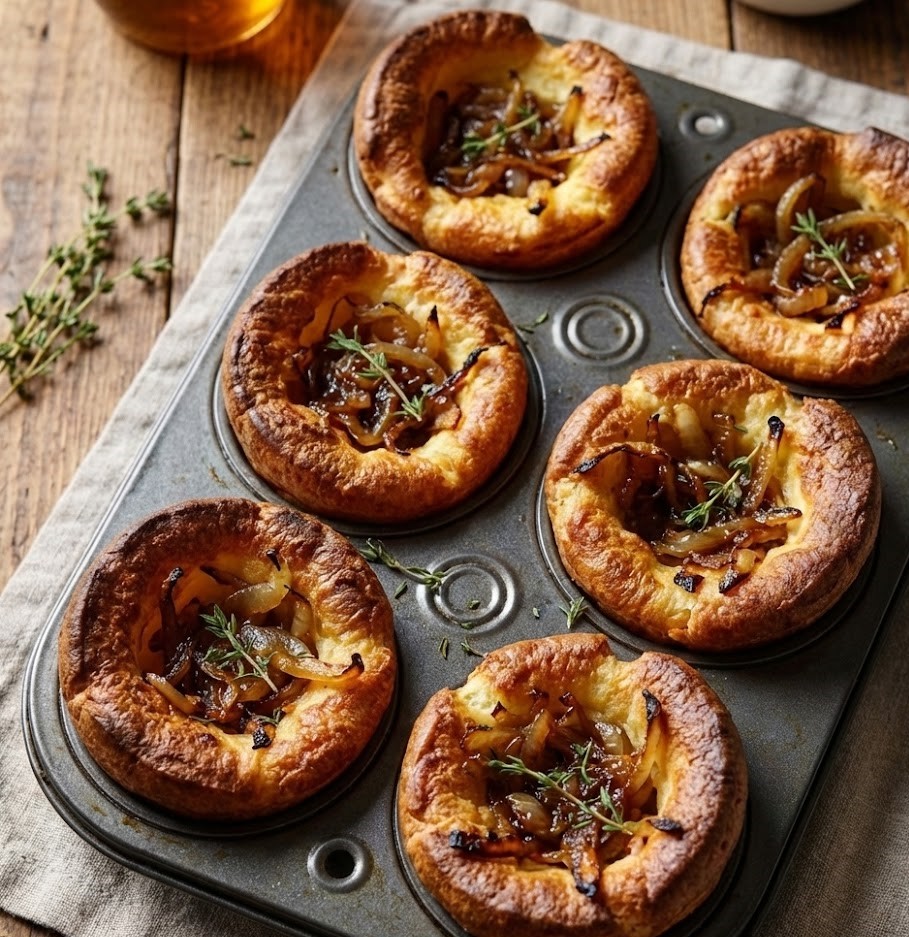
    Yorkshire Puddings

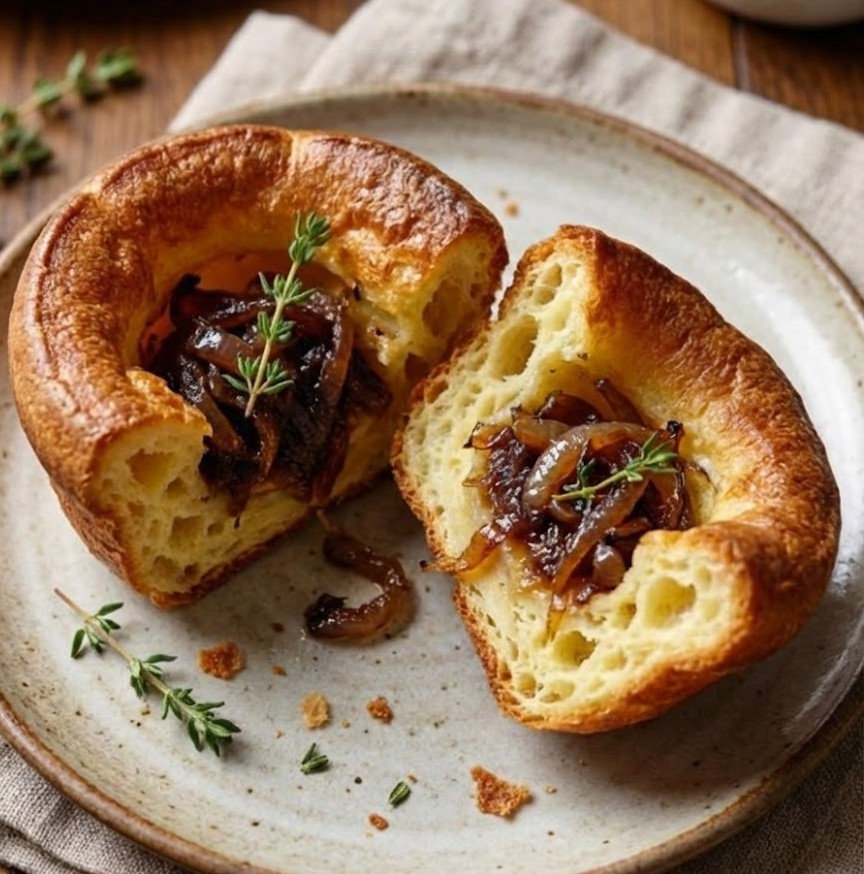
    Yorkshire puddings are a timeless British favourite, prized for their crisp edges and soft, airy centres that are perfect for holding gravy. Made from a simple batter, they have a light savoury flavour and a wonderfully dramatic rise. This is an easy recipe that suits confident beginners just as well as experienced cooks. From start to finish, they take around 40 minutes, making them ideal for a Sunday roast or special family dinner.

    Ingredients

    For the Batter

    • 140g plain flour
    • 4 large eggs
    • 200ml whole milk
    • ½ tsp fine salt

    For the Tin

    • 4 tbsp vegetable oil or beef dripping

    How to Make Yorkshire Puddings

    • Oven Preparation: Preheat the oven to 220°C (200°C fan). Place a 12-hole metal muffin tin in the oven. Add about 1 teaspoon of oil or dripping to each hole and return the tin to the oven until the fat is very hot and just beginning to smoke.
    • Mixing the Batter:Put the flour and salt into a large bowl and make a well in the centre. Crack in the eggs and whisk gently, gradually pouring in the milk until you have a smooth batter with the consistency of pouring cream. Leave the batter to rest for at least 15 minutes at room temperature.
    • Baking:Carefully remove the hot tin from the oven. Working quickly, pour the batter evenly into the hot fat so it sizzles immediately. Place the tin straight back into the oven.
    • Cooling:Bake for 20 to 25 minutes until the puddings are well risen, golden brown, and crisp. Do not open the oven door while they are baking. Remove from the oven and lift them out of the tin.
    • Assembling and Serving:Serve the Yorkshire puddings immediately while they are puffed and airy, with plenty of hot gravy.

    Tips

    Why didn’t my Yorkshire puddings rise?

    The oven and oil must be very hot before adding the batter. Opening the oven door during baking can also cause them to collapse.

    Can I make the batter ahead of time?

    Yes, the batter can be made up to 24 hours in advance and kept in the fridge. Bring it back to room temperature before using.

    What fat gives the best flavour?

    Beef dripping gives a deeper, traditional flavour, but vegetable oil works perfectly well and still produces excellent results.

    How do I keep them crisp?

    Serve them straight from the oven. If needed, you can briefly reheat them in a very hot oven.

    Serving Suggestions

    • Serve with roast beef and rich onion gravy
    • Pair with roast chicken, lamb, or pork
    • Use as part of a traditional Sunday lunch

    Storage

    Room Temperature

    Yorkshire puddings are best eaten fresh but can sit at room temperature for up to 4 hours.

    Refrigerator

    Store cooled puddings in an airtight container for up to 2 days. Reheat in a hot oven to restore some crispness.

    Freezing

    Freeze completely cooled puddings for up to 3 months. Reheat from frozen at 200°C until hot and lightly crisp.

    Nutrition

    • Calories: 110 kcal
    • Carbohydrates: 10g
    • Protein: 4g
    • Fat: 6g
    • Saturated Fat: 1g
    • Sodium: 120mg

    Nutritional values are estimates and will vary depending on ingredients used.

    FAQs

    Can I use self-raising flour instead of plain flour?

    Plain flour is best for the classic texture. Self-raising flour can make the puddings heavy.

    Why are my Yorkshire puddings soggy?

    They may be underbaked or the oven temperature too low. Make sure they are well browned before removing them.

    Can I cook Yorkshire puddings in advance?

    They are best freshly baked, but they can be reheated in a hot oven just before serving.

    What size tin should I use?

    A standard metal muffin tin works best and helps the puddings rise evenly.

    Mary Berry 3-Layer Victoria Sponge Recipe

    Recipe by Rose MeltonCourse: DessertCuisine: BritishDifficulty: Easy
    Servings

    4

    servings
    Prep time

    30

    minutes
    Cooking time

    40

    minutes
    Calories

    300

    kcal
    Total time

    1

    hour 

    10

    minutes

    Light, fluffy Mary Berry 3-Layer Victoria Sponge filled with strawberry jam and freshly whipped cream. A classic British cake perfect for any occasion.

    Ingredients

    • 225g unsalted butter, softened

    • 225g caster sugar

    • 4 large eggs

    • 225g self-raising flour

    • 1 tsp baking powder

    • 2 tbsp milk

    • 150ml double cream

    • 2 tbsp icing sugar

    • 4–5 tbsp strawberry jam

    • Fresh strawberries, sliced

    • Icing sugar, for dusting

    • Butter, for greasing tins

    • Baking parchment

    Directions

    • Preheat oven to 180°C (160°C Fan). Grease and line three 8-inch round cake tins.
    • Place butter, caster sugar, eggs, flour, baking powder and milk into a large bowl.
    • Beat with an electric mixer for about 2 minutes until pale, smooth and fully combined.
    • Divide evenly between tins and level the tops.
    • Bake for 20–25 minutes until golden, springy and cooked through.
    • Cool in tins for 5 minutes, then turn out onto a wire rack to cool completely.
    • Whip double cream with icing sugar until soft peaks form.
    • Sandwich the sponges with strawberry jam and whipped cream.
    • Dust with icing sugar and decorate with fresh strawberries before serving.

    Notes

    • Ensure butter is fully softened for best rise.
    • Do not open the oven door early to prevent sinking.
    • Sponge layers can be frozen unfilled for up to 3 months.
slot depo

sicbo online