Blog

  • James Martin Orange Sauce

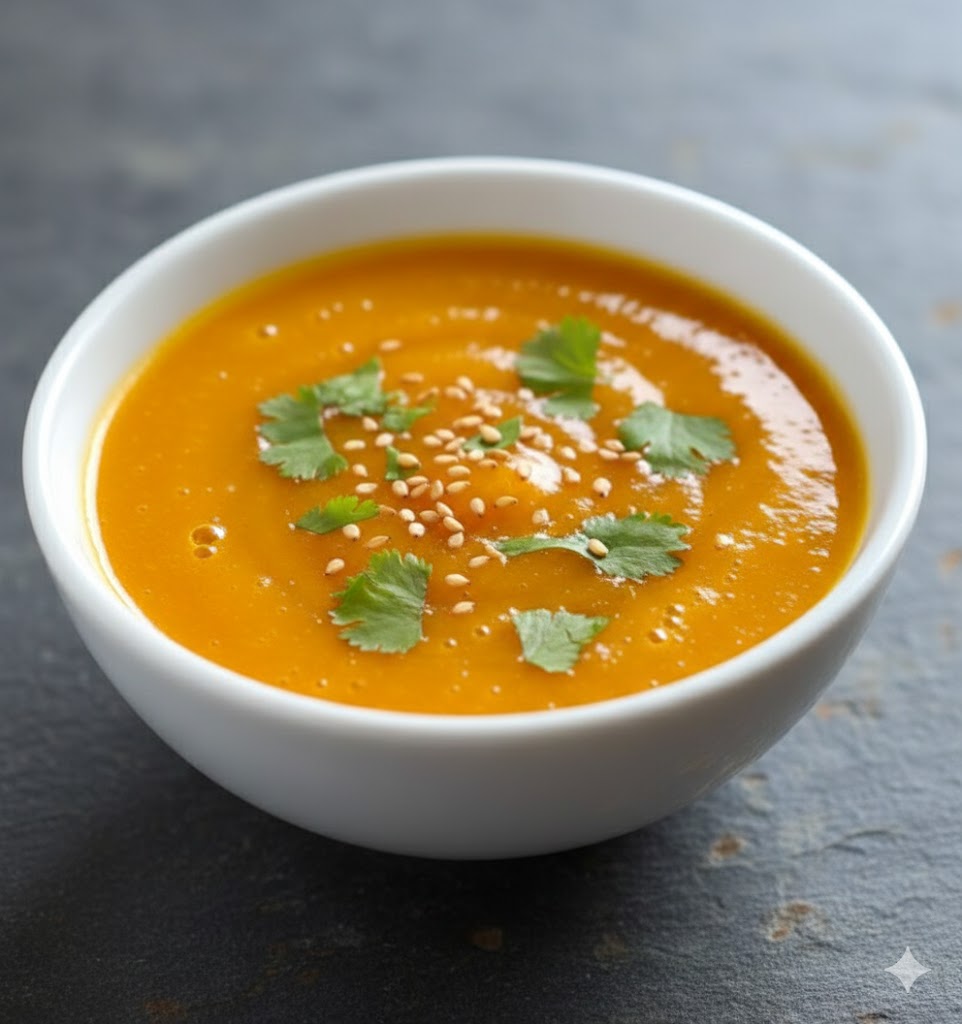
    James Martin Orange Sauce

    This James Martin orange sauce is a glossy, vibrant citrus sauce with a perfect balance of sweetness and gentle bitterness. It has a smooth, pourable texture and a fresh orange aroma that lifts both savoury and sweet dishes. The recipe is straightforward and beginner friendly, yet the result feels restaurant worthy. From start to finish, it takes about 20 minutes.

    Ingredients

    For the orange sauce

    • 200ml fresh orange juice
    • 1 teaspoon finely grated orange zest
    • 50g caster sugar
    • 1 tablespoon white wine vinegar
    • 20g unsalted butter
    • 1 teaspoon cornflour mixed with 1 tablespoon cold water
    • Pinch of salt
    James Martin Orange Sauce

    How to Make James Martin Orange Sauce

    • Prepare the pan: Place a small saucepan on medium heat and add the orange juice, zest, caster sugar, vinegar, and salt. Stir gently to combine.
    • Simmer the sauce: Bring the mixture to a gentle simmer, stirring until the sugar has fully dissolved and the aroma becomes bright and citrusy.
    • Thicken: Stir in the cornflour mixture and cook for 1 to 2 minutes, stirring constantly until the sauce lightly thickens.
    • Finish with butter: Remove the pan from the heat and whisk in the butter until the sauce looks smooth and glossy.
    • Serve: Taste and adjust if needed, then serve warm over your chosen dish.

    Tips for Best Results

    How do I avoid a bitter taste?

    Keep the heat gentle and avoid boiling the sauce hard. Rapid boiling can draw bitterness from the zest.

    Can I make the sauce smoother?

    Yes, strain the finished sauce through a fine sieve to remove zest for a silky texture.

    What if the sauce is too thick?

    Whisk in a splash of warm water or extra orange juice until it reaches the right consistency.

    How do I boost the orange flavour?

    Add a little extra zest at the end, but only a pinch to keep the flavour balanced.

    Serving Suggestions

    • Spoon over duck breast or roast chicken
    • Serve with pancakes or waffles
    • Drizzle over orange loaf cake or sponge pudding
    • Use as a glaze for roasted vegetables

    Storage

    Room temperature

    This sauce should not be kept at room temperature for long. Serve shortly after making for best flavour.

    Refrigerator

    Store in an airtight container for up to 3 days. Reheat gently in a saucepan or microwave.

    Freezing

    Freeze in small portions for up to 2 months. Defrost in the fridge and reheat slowly while stirring.

    Nutrition

    • Calories: 120 kcal
    • Carbohydrates: 18g
    • Protein: 0.5g
    • Fat: 5g
    • Saturated fat: 3g
    • Sodium: 40mg

    Nutrition values are estimates and may vary depending on ingredients used.

    FAQs

    Can I make this sauce ahead of time?

    Yes, you can prepare it up to three days in advance and store it in the fridge. Reheat gently before serving.

    Is this orange sauce suitable for duck?

    Yes, it pairs beautifully with duck, especially pan-seared duck breast.

    Can I use bottled orange juice?

    Fresh orange juice gives the best flavour, but bottled juice can be used if it is not from concentrate.

    Can I make this sauce dairy free?

    Yes, simply omit the butter or replace it with a dairy free alternative.

    James Martin Orange Sauce

    Recipe by Milli RoseCourse: SauceCuisine: BritishDifficulty: Easy
    Servings

    4

    portions
    Prep time

    5

    minutes
    Cooking time

    15

    minutes
    Total time

    20

    minutes
    Calories

    120

    kcal

    20

    minutes

    A smooth, glossy orange sauce inspired by James Martin, made with fresh orange juice, zest, butter, and a hint of sugar. Perfect for duck, chicken, pancakes, or desserts.

    Ingredients

    • 200ml fresh orange juice

    • 1 tsp finely grated orange zest

    • 50g caster sugar

    • 1 tbsp white wine vinegar

    • 20g unsalted butter

    • 1 tsp cornflour mixed with 1 tbsp cold water

    • Pinch of salt

    Directions

    • Pour the orange juice into a small saucepan and add the zest, sugar, vinegar, and salt.
    • Place over medium heat and bring to a gentle simmer, stirring until the sugar dissolves.
    • Stir in the cornflour mixture and cook for 1 to 2 minutes until slightly thickened.
    • Remove from the heat and whisk in the butter until the sauce is smooth and glossy.
    • Taste and adjust sweetness or acidity if needed, then serve warm.

    Notes

    • Use freshly squeezed orange juice for the best flavour.
    • Do not boil rapidly or the sauce may become bitter.
    • The sauce can be strained for an extra smooth finish.
  • James Martin Lamb Tagine

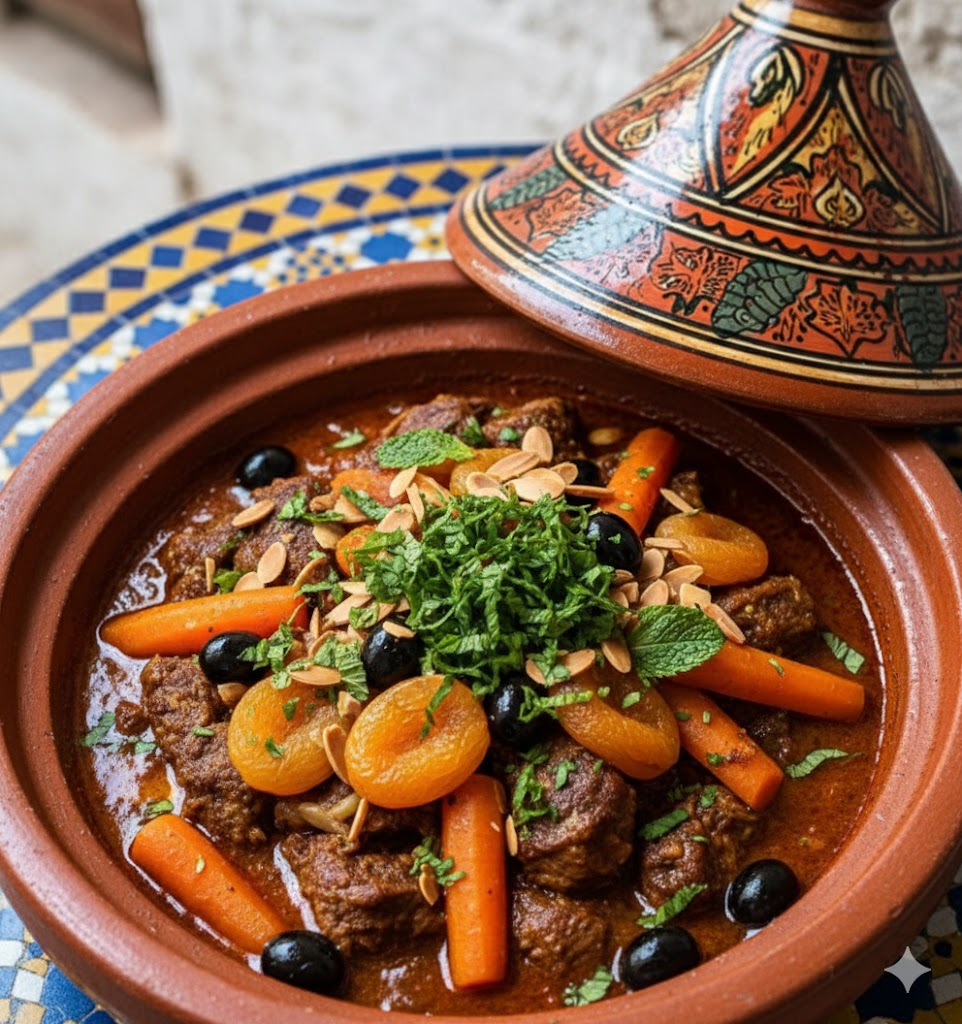
    James Martin Lamb Tagine

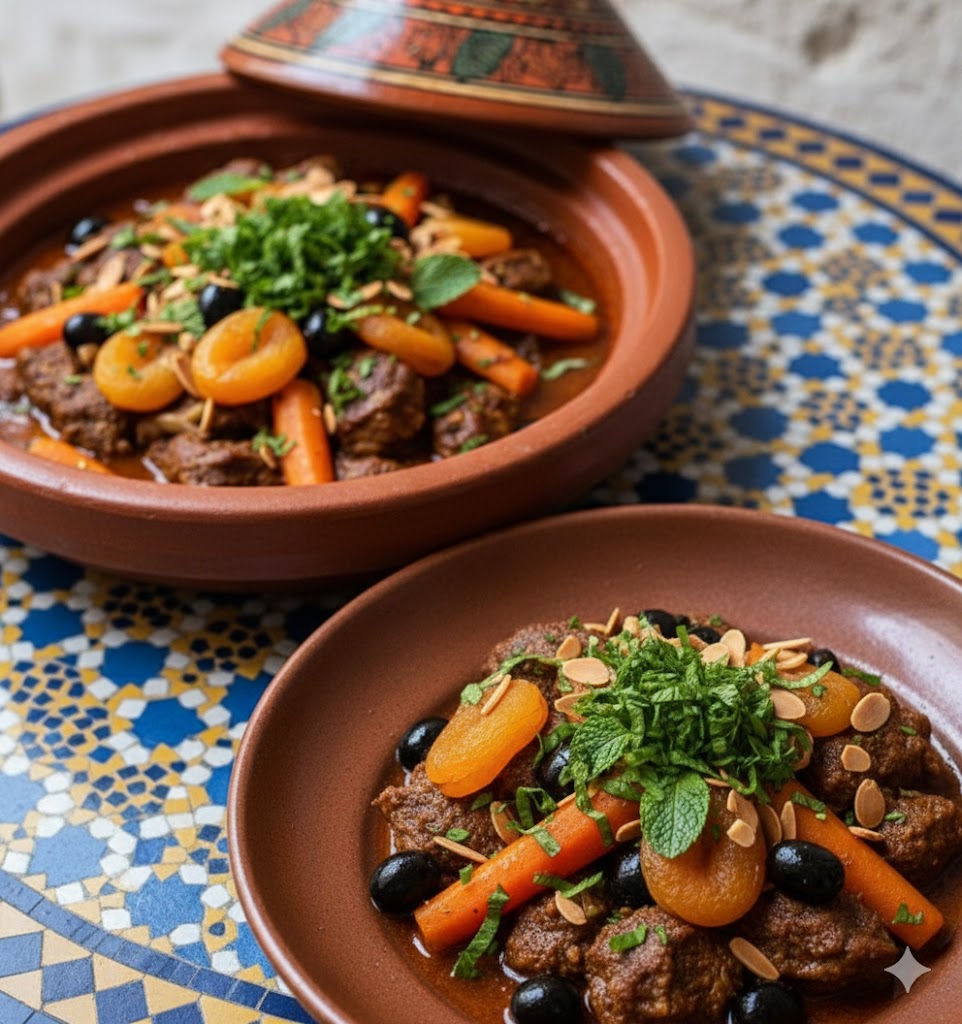
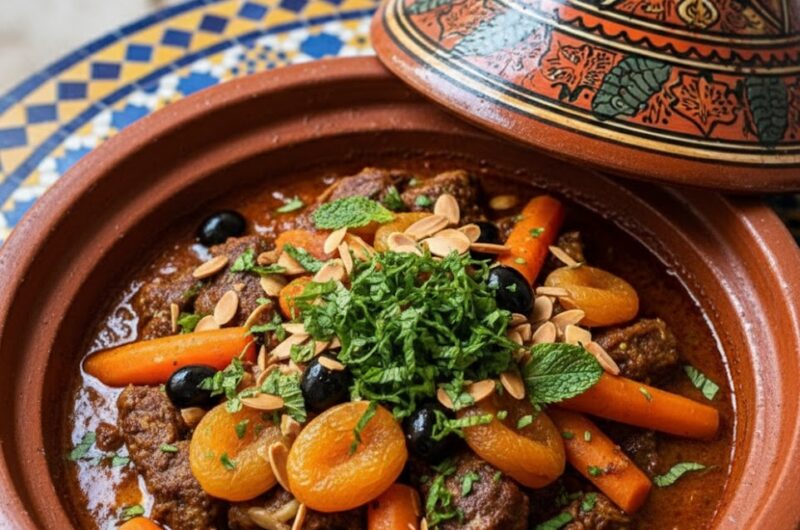
    This James Martin Lamb Tagine is a slow-cooked Moroccan-style dish with meltingly tender lamb, a rich spiced sauce, and gentle sweetness from dried fruit. The texture is soft and succulent, with deep, warming flavours that develop beautifully as it cooks. It is a medium-difficulty recipe that feels impressive but is very achievable at home. Total time is around 2 hours 30 minutes, most of which is hands-off simmering.

    Ingredients

    For the lamb tagine

    • 1 kg lamb shoulder or leg, cut into large chunks
    • 2 tbsp olive oil
    • 2 large onions, finely sliced
    • 3 garlic cloves, crushed
    • 2 tsp ground cumin
    • 2 tsp ground coriander
    • 1 tsp ground cinnamon
    • 1 tsp ground ginger
    • 1 tsp sweet paprika
    • 1 tbsp tomato purée
    • 500 ml lamb or chicken stock
    • 200 g chopped tomatoes
    • 100 g dried apricots, halved
    • 2 tbsp honey
    • Salt and black pepper, to taste
    • Fresh coriander, to finish

    To serve

    • Steamed couscous or flatbreads
    • Natural yogurt or harissa, optional
    James Martin Lamb Tagine

    How to Make James Martin Lamb Tagine

    • Prepare the oven: Preheat the oven to 160°C or 140°C fan. If you are using a heavy casserole with a lid, place a shelf in the middle of the oven so the tagine cooks gently and evenly.
    • Brown the lamb: Heat the olive oil in a large casserole dish over medium heat. Season the lamb well, then brown it in batches until golden on all sides. Remove and set aside.
    • Soften the onions: Add the sliced onions to the same dish and cook for 8 to 10 minutes until soft and lightly golden. Stir in the garlic and cook for 1 minute.
    • Add the spices: Sprinkle in the cumin, coriander, cinnamon, ginger, and paprika. Stir well and cook for 30 seconds until fragrant.
    • Build the sauce: Stir in the tomato purée, chopped tomatoes, stock, honey, and dried apricots. Return the lamb to the dish and mix gently.
    • Slow cook: Bring everything to a gentle simmer, then cover with a lid and transfer to the oven. Cook for about 2 hours, until the lamb is very tender and the sauce is rich.
    • Finish and rest: Check seasoning and adjust with salt and pepper. Scatter over fresh coriander and allow the tagine to rest for 10 minutes before serving.

    Tips for the Best Lamb Tagine

    Why is my lamb not tender?

    Lamb needs time and gentle heat. If it feels firm, continue cooking for another 20 to 30 minutes until it softens completely.

    Can I make this without a tagine pot?

    Yes. A heavy lidded casserole works perfectly and gives excellent results.

    How do I balance sweetness and spice?

    If the sauce tastes too sweet, add a squeeze of lemon juice. If it needs warmth, a pinch of chilli flakes works well.

    Can I cook this on the hob instead?

    You can simmer it very gently on the hob, but keep the heat low and stir occasionally to prevent sticking.

    Serving Suggestions

    • Fluffy couscous with a drizzle of olive oil
    • Warm flatbreads for scooping up the sauce
    • A simple cucumber and yogurt salad on the side

    Storage

    Room temperature

    Allow the tagine to cool, then refrigerate within 2 hours of cooking.

    Refrigerator

    Store in an airtight container for up to 3 days. Reheat gently until piping hot.

    Freezing

    This tagine freezes very well for up to 3 months. Defrost overnight in the fridge before reheating.

    Nutrition

    • Calories: 520 kcal
    • Carbohydrates: 28 g
    • Protein: 38 g
    • Fat: 30 g
    • Saturated fat: 11 g
    • Sodium: 480 mg

    Nutrition values are estimates and may vary depending on ingredients used.

    FAQs

    Can I make lamb tagine a day ahead?

    Yes, it often tastes even better the next day as the flavours deepen. Reheat gently before serving.

    What cut of lamb works best for tagine?

    Lamb shoulder is ideal as it becomes tender and juicy when slow cooked.

    Can I reduce the sweetness?

    You can reduce the honey or dried fruit slightly if you prefer a more savoury finish.

    Is lamb tagine spicy?

    It is warmly spiced rather than hot, making it suitable for most tastes.

    James Martin Lamb Tagine

    Recipe by Milli RoseCourse: MainCuisine: MoroccanDifficulty: Medium
    Servings

    4

    servings
    Prep time

    30

    minutes
    Cooking time

    40

    minutes
    Calories

    300

    kcal
    Total time

    1

    hour 

    10

    minutes

    Slow cooked lamb tagine with warming spices, dried apricots, and a rich savoury sauce.

    Ingredients

    • 1 kg lamb shoulder, diced

    • 2 tbsp olive oil

    • 2 large onions, sliced

    • 3 garlic cloves, crushed

    • 2 tsp ground cumin

    • 2 tsp ground coriander

    • 1 tsp ground cinnamon

    • 1 tsp ground ginger

    • 1 tsp paprika

    • 1 tbsp tomato purée

    • 500 ml lamb stock

    • 200 g chopped tomatoes

    • 100 g dried apricots

    • 2 tbsp honey

    • Salt and black pepper

    • Fresh coriander

    Directions

    • Preheat the oven to 160°C or 140°C fan.
    • Brown the lamb in olive oil until golden.
    • Soften onions and garlic in the same dish.
    • Add spices and cook until fragrant.
    • Stir in tomatoes, stock, honey, apricots, and lamb.
    • Cover and cook in the oven for 2 hours until tender.
    • Season, garnish with coriander, and serve.

    Notes

    • Cook low and slow for best texture.
    • Flavours improve if made a day ahead.
    • Serve with couscous or flatbreads.
  • James Martin Mince Pies

    James Martin Mince Pies

    These James Martin mince pies are crisp, buttery, and generously filled with rich spiced mincemeat. The pastry is short and tender, while the filling stays soft and fragrant with citrus and dried fruit. This is a straightforward bake that suits confident beginners and experienced home bakers alike. From start to finish, they take about 1 hour including chilling and baking.

    Ingredients

    For the pastry

    • 225g plain flour
    • 100g cold unsalted butter, diced
    • 25g icing sugar
    • 1 large egg yolk
    • 2 to 3 tbsp cold water

    For the filling

    • 300g good quality mincemeat
    • 1 tbsp brandy or orange juice
    • 1 tsp orange zest

    To finish

    • Icing sugar, for dusting
    • Butter, for greasing the tin
    James Martin Mince Pies

    How to Make James Martin Mince Pies

    • Prepare the oven: Preheat the oven to 200°C or 180°C fan. Place a shelf in the middle of the oven so the pies bake evenly and colour nicely.
    • Make the pastry: Rub the butter into the flour until it resembles fine breadcrumbs. Stir in the icing sugar, then add the egg yolk and enough cold water to bring it together into a soft dough.
    • Chill the dough: Shape the pastry into a disc, wrap, and chill for 20 minutes. This helps keep the pastry short and prevents shrinkage.
    • Prepare the filling: Mix the mincemeat with the brandy or orange juice and orange zest. Set aside while you roll the pastry.
    • Roll and line: Roll out the pastry on a lightly floured surface. Cut out rounds and line a greased 12 hole mince pie tin.
    • Fill and top: Spoon the mincemeat into each case. Cut smaller rounds or stars for the lids and place them on top, pressing lightly to seal.
    • Bake: Bake for 18 to 22 minutes until the pastry is golden and crisp.
    • Cool and finish: Leave to cool in the tin for 5 minutes, then lift onto a wire rack. Dust with icing sugar before serving.

    Tips

    How do I stop soggy bottoms?

    Use a dark metal tin and avoid overfilling the pies. Chilling the pastry before baking also helps keep the base crisp.

    Can I make the pastry ahead of time?

    Yes, the pastry can be made a day in advance and kept wrapped in the fridge until needed.

    What if my pastry cracks when rolling?

    Let it sit at room temperature for a few minutes, then gently bring it back together with your hands.

    Serving Suggestions

    • Serve warm with brandy butter or clotted cream
    • Enjoy with a cup of tea or mulled wine
    • Dust generously with icing sugar just before serving

    Storage

    Room temperature

    Keep in an airtight tin for up to 3 days.

    Refrigerator

    Store for up to 5 days and bring back to room temperature before serving.

    Freezing

    Freeze baked mince pies for up to 3 months. Defrost fully and reheat briefly in a low oven.

    Nutrition

    • Calories: 320 kcal
    • Carbohydrates: 38g
    • Protein: 4g
    • Fat: 17g
    • Saturated fat: 10g
    • Sodium: 120mg

    Nutrition values are estimates and may vary.

    FAQs

    Can I bake this as a loaf instead?

    Yes, divide the mixture between two loaf tins and increase the baking time slightly. Check for doneness with a skewer.

    What size tray bake tin works best?

    A tin around 23 x 30cm gives the ideal depth and even baking.

    Can I use wholemeal flour?

    You can replace half the flour with wholemeal, but the cake will be slightly denser.

    Is this cake suitable for children?

    Yes, it is mildly spiced and naturally sweet, making it ideal for all ages.

    James Martin Mince Pies

    Recipe by Milli RoseCourse: DessertCuisine: BritishDifficulty: Easy
    Servings

    4

    servings
    Prep time

    30

    minutes
    Cooking time

    40

    minutes
    Calories

    300

    kcal
    Total time

    1

    hour 

    10

    minutes

    Classic James Martin mince pies with buttery shortcrust pastry and a rich spiced mincemeat filling. Perfect for Christmas baking and festive gatherings.

    Ingredients

    • 225g plain flour

    • 100g unsalted butter, cold and diced

    • 25g icing sugar

    • 1 large egg yolk

    • 2–3 tbsp cold water

    • 300g mincemeat

    • 1 tbsp brandy or orange juice

    • 1 tsp orange zest

    Directions

    • Preheat the oven to 200°C (180°C fan) and grease a 12 hole mince pie tin.
    • Rub butter into flour, then mix in icing sugar, egg yolk, and enough water to form a dough.
    • Chill the pastry for 20 minutes.
    • Mix mincemeat with brandy or orange juice and zest.
    • Roll pastry, line the tin, and fill with mincemeat.
    • Top with pastry lids and bake for 18–22 minutes until golden.
    • Cool slightly, then dust with icing sugar before serving.

    Notes

    • Chilling the pastry improves texture.
    • Do not overfill to avoid leaks.
    • Best enjoyed warm or at room temperature.
  • James Martin Tartiflette Recipe

    James Martin Tartiflette Recipe

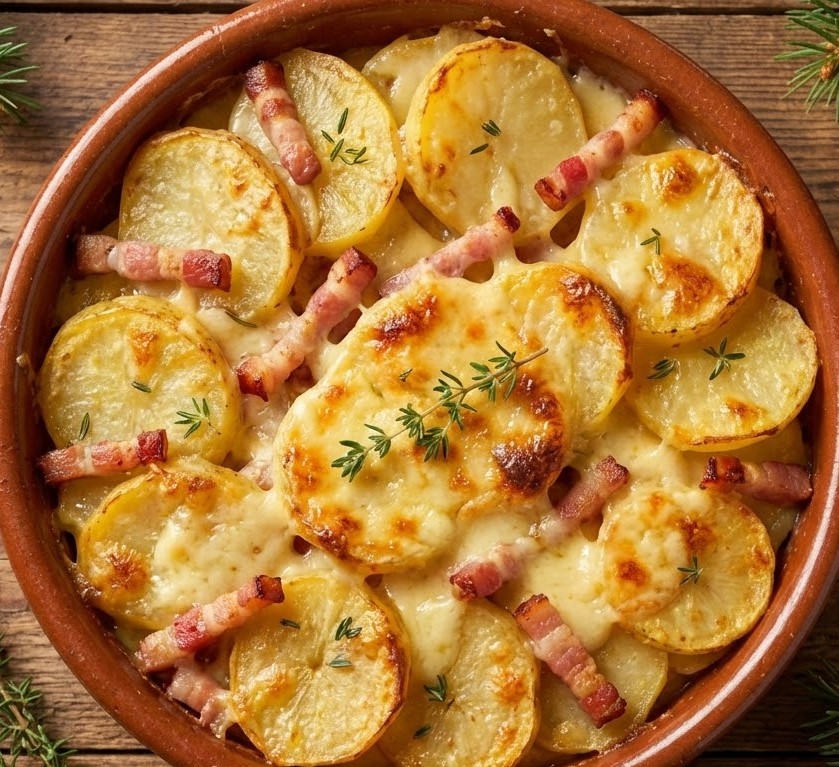
    This James Martin Tartiflette is a rich, comforting French potato bake made with creamy Reblochon-style cheese, crispy bacon, and soft onions. The texture is beautifully indulgent. Soft potatoes layered with molten cheese and a savoury, creamy finish. It is a simple, rustic dish that feels special without being complicated, and it comes together in about an hour from start to finish.

    Ingredients

    For the potato base

    • 1 kg waxy potatoes
    • 1 tsp salt, for boiling

    For the filling

    • 200 g smoked bacon lardons
    • 1 large onion, finely sliced
    • 2 cloves garlic, finely chopped
    • 200 ml double cream
    • 100 ml crème fraîche
    • Freshly ground black pepper

    For the topping

    • 1 Reblochon cheese, or similar soft washed-rind cheese, halved horizontally
    • Butter, for greasing
    James Martin Tartiflette Recipe

    How to Make James Martin Tartiflette

    • Prepare the oven: Preheat the oven to 200°C or 180°C fan. Lightly butter a medium baking dish and set it aside.
    • Cook the potatoes: Peel the potatoes and cut them into thick slices. Boil in salted water for 8 to 10 minutes until just tender. Drain well and allow them to steam dry.
    • Cook the filling: Fry the bacon lardons in a large pan until golden. Add the sliced onion and cook gently for 8 minutes until soft. Stir in the garlic and cook for 1 minute more.
    • Add the cream: Pour in the double cream and crème fraîche. Season with black pepper and simmer gently for 2 to 3 minutes until slightly thickened.
    • Assemble the dish: Arrange half of the potatoes in the baking dish. Spoon over half of the bacon and cream mixture. Repeat with the remaining potatoes and filling.
    • Add the cheese: Place the Reblochon halves on top, cut side facing down so it melts evenly into the dish.
    • Bake: Bake for 25 to 30 minutes until bubbling and deeply golden on top.
    • Rest and serve: Allow the tartiflette to rest for 5 minutes before serving so it holds together neatly.

    Tips

    How do I stop the tartiflette from being watery?

    Make sure the potatoes are well drained and allow the cream mixture to simmer briefly before assembling. This helps concentrate the flavour and texture.

    What cheese can I use if I cannot find Reblochon?

    Camembert or Brie work well as substitutes. Choose a ripe cheese for the best melt and flavour.

    Can I prepare this in advance?

    You can assemble the dish up to a day ahead, cover it well, and refrigerate. Bake just before serving for the best texture.

    Serving Suggestions

    • Serve with a crisp green salad and sharp vinaigrette
    • Add crusty bread to soak up the creamy sauce
    • Pair with lightly dressed green beans or steamed broccoli

    Storage

    Room temperature

    Allow the tartiflette to cool slightly, then serve within 2 hours.

    Refrigerator

    Store leftovers in an airtight container for up to 3 days. Reheat gently in the oven until hot throughout.

    Freezing

    Freezing is not recommended as the cream and cheese can separate when thawed.

    Nutrition

    • Calories: 520 kcal
    • Carbohydrates: 32 g
    • Protein: 18 g
    • Fat: 36 g
    • Saturated fat: 21 g
    • Sodium: 780 mg

    Nutrition values are estimates and may vary depending on ingredients used.

    FAQs

    Can I make tartiflette without bacon?

    Yes, you can omit the bacon and add sautéed mushrooms or leeks for a vegetarian version.

    What potatoes work best for tartiflette?

    Waxy potatoes such as Charlotte or Yukon Gold hold their shape and give the best texture.

    Can I reheat tartiflette the next day?

    Yes, reheat covered in the oven at 170°C until piping hot all the way through.

    Is tartiflette very rich?

    It is a rich and hearty dish, best served in moderate portions with something fresh on the side.

    James Martin Tartiflette Recipe

    Recipe by Milli RoseCourse: MainCuisine: FrenchDifficulty: Easy
    Servings

    4

    servings
    Prep time

    30

    minutes
    Cooking time

    40

    minutes
    Calories

    300

    kcal
    Total time

    1

    hour 

    10

    minutes

    A classic French potato bake made with creamy cheese, bacon, and onions. Rich, comforting, and perfect for cold days.

    Ingredients

    • 1 kg waxy potatoes

    • 200 g smoked bacon lardons

    • 1 large onion, sliced

    • 2 cloves garlic, chopped

    • 200 ml double cream

    • 100 ml crème fraîche

    • 1 Reblochon cheese

    • Salt and black pepper

    • Butter, for greasing

    Directions

    • Preheat the oven to 200°C or 180°C fan and grease a baking dish.
    • Boil sliced potatoes until just tender, then drain well.
    • Fry bacon with onions until soft, then add garlic.
    • Stir in cream and crème fraîche and simmer briefly.
    • Layer potatoes and bacon mixture in the dish.
    • Top with halved cheese and bake until golden and bubbling.

    Notes

    • Use waxy potatoes to keep the layers intact.
    • Let the dish rest before serving for cleaner slices.
  • James Martin Plaice Goujons

    James Martin Plaice Goujons

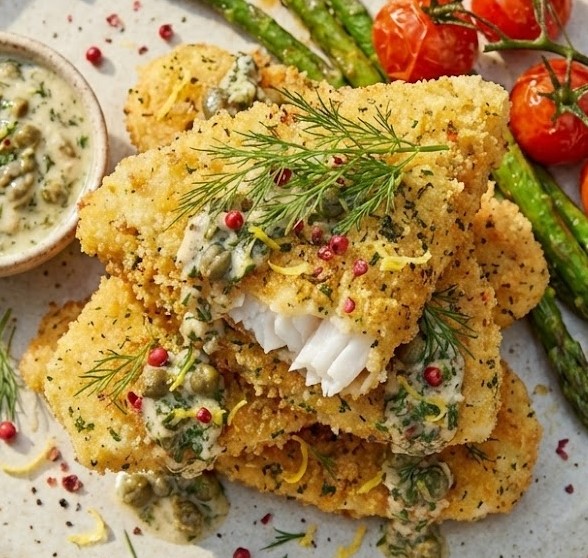
    These James Martin plaice goujons are crisp on the outside and beautifully flaky inside, with a clean, delicate fish flavour that feels light yet satisfying. They are quick to prepare, simple to cook, and ideal for a relaxed lunch or an easy supper. The coating turns golden and crunchy, while the plaice stays tender and moist. From start to finish, this recipe takes around 30 minutes and is suitable for confident beginners.

    Ingredients

    For the plaice goujons

    • 500g plaice fillets, skinless
    • 50g plain flour
    • 2 large eggs
    • 100g fresh breadcrumbs
    • 1 tsp sea salt
    • ½ tsp black pepper
    • Zest of 1 lemon
    • Vegetable oil, for frying

    To serve

    • Lemon wedges
    • Tartar sauce or mayonnaise
    James Martin Plaice Goujons

    How to Make James Martin Plaice Goujons

    • Prepare the fish: Cut the plaice fillets into even strips and pat them dry. This helps the coating stick properly and keeps the goujons crisp.
    • Set up the coating: Place the flour in one shallow bowl. Beat the eggs in another. Mix the breadcrumbs with lemon zest, salt, and pepper in a third bowl.
    • Coat the goujons: Dust each strip lightly in flour, dip into the egg, then coat fully in breadcrumbs. Press gently so the crumbs adhere.
    • Heat the oil: Heat a shallow layer of oil in a wide frying pan over medium heat until shimmering but not smoking.
    • Cook until golden: Fry the goujons in batches for 2 to 3 minutes on each side until crisp, golden, and cooked through.
    • Drain and serve: Lift out onto kitchen paper and serve immediately with lemon wedges.

    Tips

    How do I keep the goujons crisp?

    Make sure the oil is hot before frying and avoid overcrowding the pan. Cook in batches for the best texture.

    Can I bake these instead of frying?

    Yes. Bake at 200°C or 180°C fan for about 15 minutes, turning once, until golden and cooked through.

    What breadcrumbs work best?

    Fresh breadcrumbs give a lighter, crisper finish, but panko breadcrumbs also work well.

    Serving Suggestions

    • Serve with chunky chips and peas
    • Pair with a fresh green salad
    • Add to soft wraps with lettuce and sauce
    • Serve with homemade tartar sauce

    Storage

    Room temperature

    These goujons are best eaten straight away and should not be left out for more than 1 hour.

    Refrigerator

    Store leftovers in an airtight container for up to 2 days. Reheat in the oven to restore crispness.

    Freezing

    Freeze uncooked, breadcrumbed goujons for up to 1 month. Cook from frozen, adding a few extra minutes.

    Nutrition

    • Calories: 320 kcal
    • Carbohydrates: 28g
    • Protein: 26g
    • Fat: 12g
    • Saturated Fat: 2g
    • Sodium: 520mg

    Nutrition values are estimates and may vary depending on ingredients used.

    FAQs

    Can I use another type of fish?

    Yes, cod, haddock, or sole work well and can be prepared in the same way.

    What oil is best for frying goujons?

    A neutral oil such as vegetable or sunflower oil gives the cleanest flavour.

    Can I make these ahead of time?

    You can breadcrumb the fish a few hours ahead and keep it chilled until ready to cook.

    Are plaice goujons suitable for children?

    Yes, they are mild in flavour and make a great child-friendly fish dish.

    James Martin Plaice Goujons

    Recipe by Milli RoseCourse: MainCuisine: BritishDifficulty: Easy
    Servings

    4

    people
    Prep time

    15

    minutes
    Cooking time

    15

    minutes
    Total time

    30

    minutes
    Calories

    320

    kcal

    30

    minutes

    Crispy plaice goujons coated in golden breadcrumbs and cooked until light, flaky, and perfectly crisp. An easy British fish dish ideal for lunch or supper.

    Ingredients

    • 500g plaice fillets, skinless

    • 2 large eggs

    • 50g plain flour

    • 100g fresh breadcrumbs

    • 1 tsp sea salt

    • ½ tsp black pepper

    • Zest of 1 lemon

    • Vegetable oil, for frying

    • Lemon wedges, to serve

    Directions

    • Slice the plaice fillets lengthways into even strips and pat dry with kitchen paper.
    • Place the flour in one bowl, beat the eggs in a second bowl, and mix breadcrumbs with lemon zest, salt, and pepper in a third bowl.
    • Dust each strip of plaice in flour, dip into egg, then coat evenly in the breadcrumbs.
    • Heat a shallow layer of oil in a frying pan over medium heat.
    • Fry the goujons for 2 to 3 minutes on each side until crisp and golden.
    • Lift out and drain briefly on kitchen paper.
    • Serve hot with lemon wedges and your choice of sides.

    Notes

    • Keep the oil at a steady heat to avoid greasy crumbs.
    • Fresh breadcrumbs give the lightest texture.
    • Serve immediately for best crunch.
  • James Martin Ragu Bolognese Recipe

    James Martin Ragu Bolognese Recipe

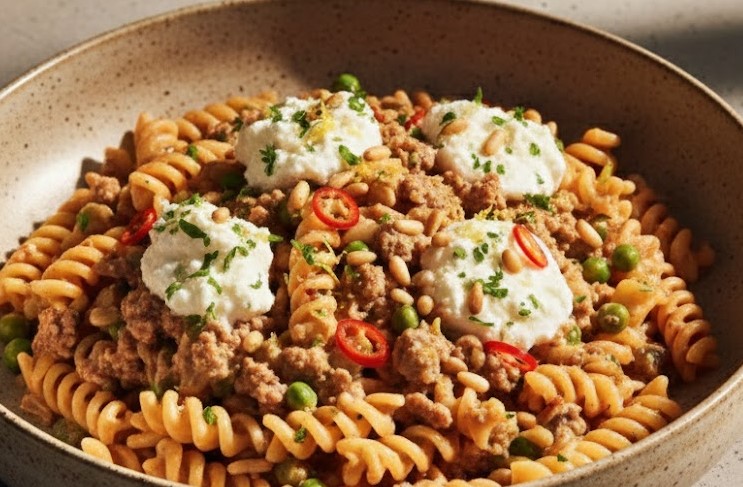
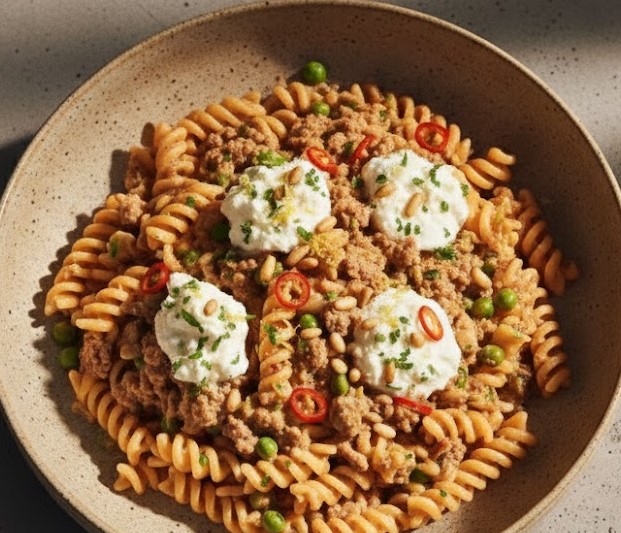
    This James Martin ragu bolognese is a rich, slow-cooked meat sauce with deep savoury flavour and a silky texture that clings beautifully to pasta. It is comforting, hearty, and gently aromatic rather than heavy. The recipe is straightforward and suitable for confident beginners who enjoy relaxed cooking. From start to finish, allow around 1 hour and 30 minutes, most of which is gentle simmering.

    Ingredients

    For the ragu sauce

    • 2 tbsp olive oil
    • 1 large onion, finely chopped
    • 2 celery sticks, finely diced
    • 1 large carrot, finely diced
    • 2 garlic cloves, crushed
    • 500g beef mince
    • 150g pancetta or smoked bacon lardons, finely chopped
    • 2 tbsp tomato purée
    • 150ml red wine
    • 400g tin chopped tomatoes
    • 200ml beef stock
    • 1 bay leaf
    • 1 tsp dried oregano
    • Salt and black pepper, to taste

    To serve

    • 400g dried tagliatelle or spaghetti
    • Freshly grated Parmesan cheese
    • Fresh basil leaves, optional
    James Martin Ragu Bolognese Recipe

    How to Make James Martin Ragu Bolognese

    • Prepare the base: Heat the olive oil in a large, heavy-based saucepan over medium heat. Add the onion, carrot, and celery, then cook gently for 8 to 10 minutes until soft and translucent but not coloured.
    • Add garlic and pancetta: Stir in the garlic and pancetta. Cook for 2 to 3 minutes until the pancetta releases its fat and becomes lightly golden.
    • Brown the mince: Add the beef mince to the pan. Increase the heat slightly and cook, breaking it up with a wooden spoon, until evenly browned.
    • Build flavour: Stir in the tomato purée and cook for 1 minute. Pour in the red wine and allow it to bubble until reduced by about half.
    • Simmer slowly: Add the chopped tomatoes, beef stock, bay leaf, and oregano. Season well with salt and pepper. Reduce the heat to low, cover loosely, and simmer for 60 minutes, stirring occasionally.
    • Cook the pasta: Cook the pasta in well-salted boiling water according to the packet instructions. Drain, reserving a small cup of the cooking water.
    • Finish and serve: Remove the bay leaf from the sauce. Toss the pasta with the ragu, adding a splash of pasta water if needed. Serve hot with Parmesan and basil.

    Tips

    How do I get a deeper flavour?

    Allow the sauce to simmer gently without rushing. The longer cooking time helps the meat soften and the flavours fully develop.

    Why is my sauce watery?

    Keep the lid slightly ajar while simmering so excess moisture can evaporate naturally.

    Can I make this ahead of time?

    Yes, this ragu tastes even better the next day once the flavours have settled.

    Serving Suggestions

    • Serve with tagliatelle for a classic pairing
    • Add a crisp green salad on the side
    • Enjoy with warm garlic bread

    Storage

    Room temperature

    Do not leave the ragu at room temperature for more than 2 hours.

    Refrigerator

    Store in an airtight container for up to 3 days. Reheat gently on the hob.

    Freezing

    Freeze in portions for up to 3 months. Defrost overnight in the fridge before reheating.

    Nutrition

    • Calories: 520 kcal
    • Carbohydrates: 48 g
    • Protein: 32 g
    • Fat: 22 g
    • Saturated Fat: 8 g
    • Sodium: 640 mg

    Nutrition values are estimates and may vary depending on ingredients used.

    FAQs

    Can I use pork or veal instead of beef?

    Yes, you can replace part or all of the beef with pork or veal mince for a softer, richer sauce.

    Do I have to use wine?

    No, you can leave it out and add a little extra stock instead, though the flavour will be slightly different.

    What pasta works best with ragu bolognese?

    Wide pasta such as tagliatelle or pappardelle works best as it holds the sauce well.

    Can I cook this in a slow cooker?

    Yes, brown everything first, then cook on low for 6 to 8 hours for excellent results.

    James Martin Ragu Bolognese Recipe

    Recipe by Milli RoseCourse: MainCuisine: ItalianDifficulty: Easy
    Servings

    4

    servings
    Prep time

    30

    minutes
    Cooking time

    40

    minutes
    Calories

    300

    kcal
    Total time

    1

    hour 

    10

    minutes

    A rich and comforting James Martin style ragu bolognese, slow cooked with beef, pancetta, tomatoes, and red wine. Perfect served with pasta.

    Ingredients

    • 2 tbsp olive oil

    • 1 large onion, finely chopped

    • 2 celery sticks, diced

    • 1 large carrot, diced

    • 2 garlic cloves, crushed

    • 500g beef mince

    • 150g pancetta, chopped

    • 2 tbsp tomato purée

    • 150ml red wine

    • 400g chopped tomatoes

    • 200ml beef stock

    • 1 bay leaf

    • 1 tsp dried oregano

    • Salt and black pepper

    • 400g pasta, to serve

    Directions

    • Heat oil and soften vegetables gently.
    • Add garlic and pancetta and cook until lightly golden.
    • Brown the beef mince evenly.
    • Stir in tomato purée and reduce with red wine.
    • Add tomatoes, stock, herbs and simmer gently.
    • Cook pasta and combine with sauce before serving.

    Notes

    • Simmer slowly for best flavour.
    • Stir occasionally to prevent sticking.
    • Freezes well for batch cooking.

    “`

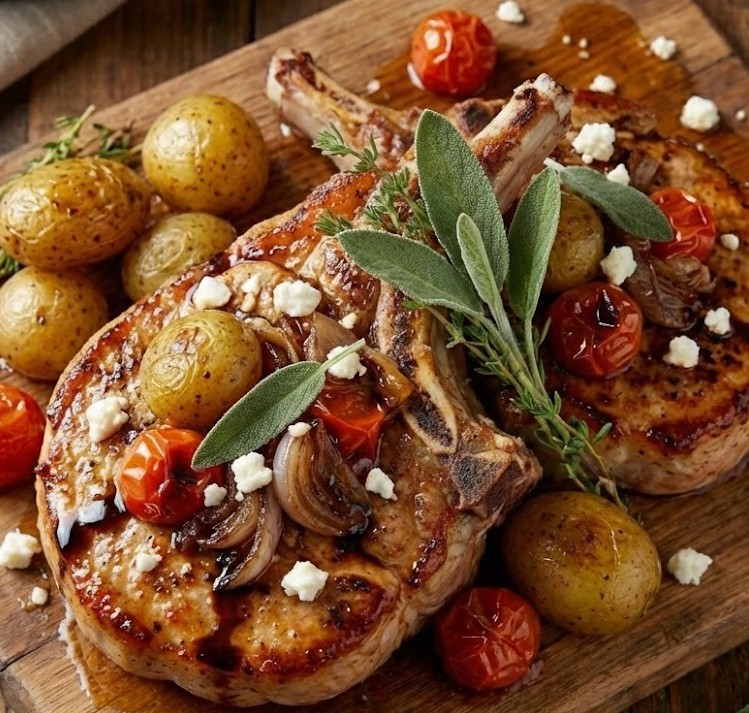
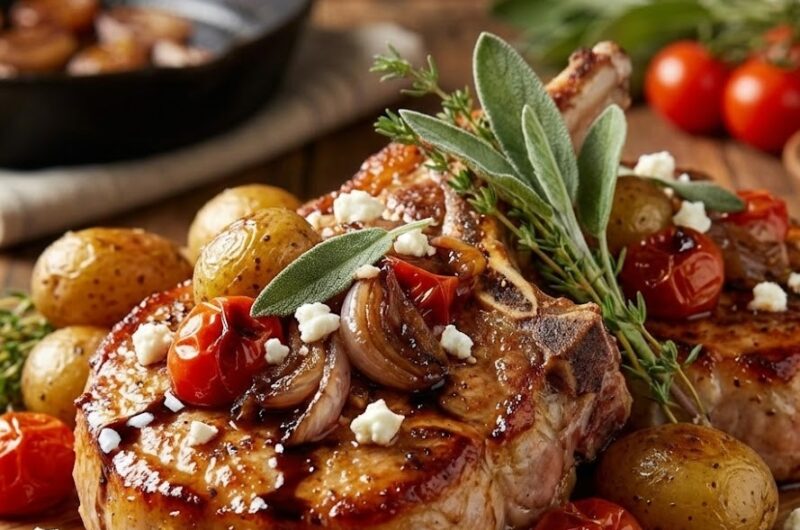
  • James Martin Grilled Pork Chops

    James Martin Grilled Pork Chops

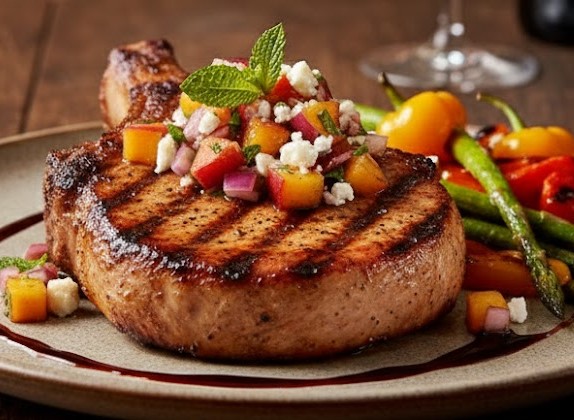
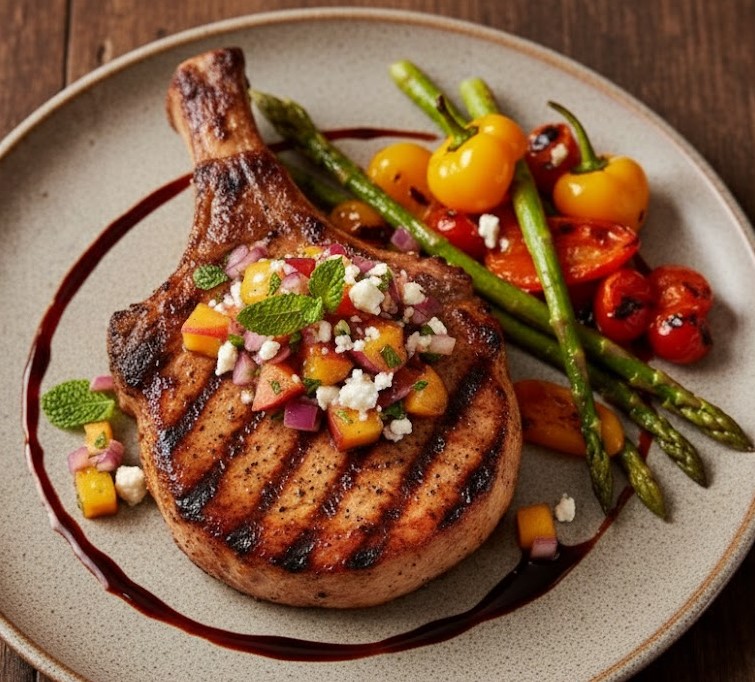
    This James Martin grilled pork chops recipe is all about bold flavour, juicy texture, and confident simplicity. The pork is tender and well seasoned, with a lightly charred exterior and a moist, succulent centre. It is an easy, fuss free dish that suits both weeknight dinners and relaxed weekend cooking. Total time is around 30 minutes from start to finish.

    Ingredients

    For the pork chops

    • 4 pork chops, about 2.5cm thick
    • 2 tbsp olive oil
    • 2 cloves garlic, finely chopped
    • 1 tsp fresh thyme leaves
    • 1 tsp fresh rosemary, finely chopped
    • Sea salt, to taste
    • Freshly ground black pepper, to taste

    To finish

    • Knob of butter
    • Fresh lemon wedges, to serve
    James Martin Grilled Pork Chops

    How to Make James Martin Grilled Pork Chops

    • Prepare the grill: Preheat a grill or griddle pan until very hot. Lightly oil the grates so the pork does not stick and heats evenly.
    • Season the pork: Pat the pork chops dry with kitchen paper. Rub with olive oil, garlic, thyme, rosemary, salt, and black pepper on both sides.
    • Grill the chops: Place the pork chops on the hot grill. Cook for 4 to 5 minutes on each side until nicely charred and just cooked through.
    • Rest the meat: Remove the pork from the grill and add a small knob of butter on top. Rest for 5 minutes so the juices settle.
    • Serve: Finish with a squeeze of fresh lemon juice and serve immediately while hot and juicy.

    Tips

    How do I stop pork chops from drying out?

    Use thick cut pork chops and avoid overcooking. Resting the meat after grilling is essential for keeping it juicy.

    Can I use boneless pork chops?

    Yes, but reduce the cooking time slightly as boneless chops cook faster and can dry out more easily.

    Should pork chops be pink inside?

    A slight blush of pink is fine as long as the juices run clear and the meat is hot throughout.

    Serving Suggestions

    • Creamy mashed potatoes or buttery new potatoes
    • Grilled vegetables such as courgettes or peppers
    • A crisp green salad with a sharp vinaigrette

    Storage

    Room temperature

    Pork chops should not be kept at room temperature for more than 2 hours after cooking.

    Refrigerator

    Store leftovers in an airtight container for up to 2 days. Reheat gently to avoid drying out.

    Freezing

    Cooked pork chops can be frozen for up to 2 months. Defrost overnight in the fridge before reheating.

    Nutrition

    • Calories: 380 kcal
    • Carbohydrates: 2 g
    • Protein: 36 g
    • Fat: 24 g
    • Saturated fat: 7 g
    • Sodium: 420 mg

    Nutrition values are estimates and may vary depending on ingredients used.

    FAQs

    Can I cook these pork chops in the oven instead?

    Yes, sear the pork chops first in a hot pan, then finish in a 180°C oven for 6 to 8 minutes depending on thickness.

    What thickness of pork chops works best?

    Chops around 2.5cm thick are ideal as they stay juicy and cook evenly on the grill.

    Can I marinate the pork chops ahead of time?

    Yes, you can marinate them for up to 12 hours in the fridge for deeper flavour.

    Are grilled pork chops suitable for children?

    Yes, they are mildly seasoned and easy to chew when cooked correctly.

    James Martin Grilled Pork Chops

    Recipe by Milli RoseCourse: MainCuisine: BritishDifficulty: Easy
    Servings

    4

    servings
    Prep time

    30

    minutes
    Cooking time

    40

    minutes
    Calories

    300

    kcal
    Total time

    1

    hour 

    10

    minutes

    Juicy grilled pork chops with garlic and herbs, cooked until tender and finished with butter and lemon.

    Ingredients

    • 4 pork chops

    • 2 tbsp olive oil

    • 2 cloves garlic, chopped

    • 1 tsp fresh thyme

    • 1 tsp fresh rosemary

    • Sea salt

    • Black pepper

    • Butter, to finish

    Directions

    • Preheat grill or griddle pan until very hot.
    • Rub pork chops with olive oil, garlic, herbs, salt, and pepper.
    • Grill pork chops for 4 to 5 minutes per side.
    • Rest pork chops with butter for 5 minutes.
    • Serve hot with lemon wedges.

    Notes

    • Use thick cut pork chops for best results.
    • Always rest the meat before serving.
    • Do not overcook to avoid dryness.
  • James Martin Pavlova Recipe

    James Martin Pavlova Recipe

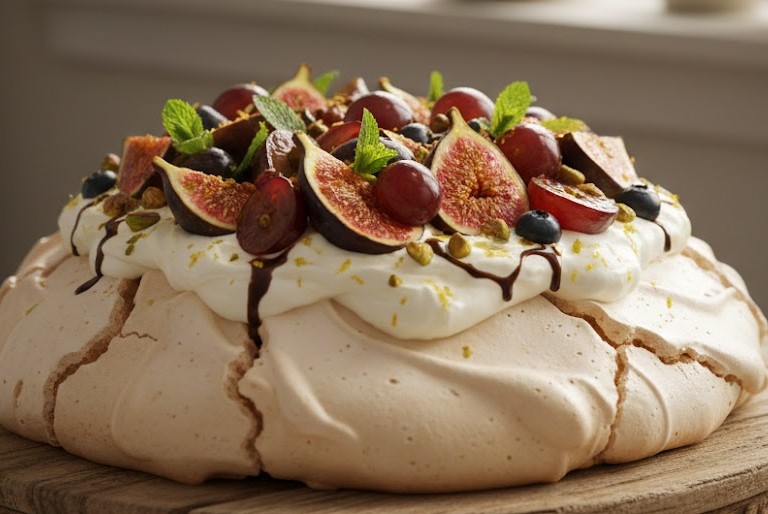
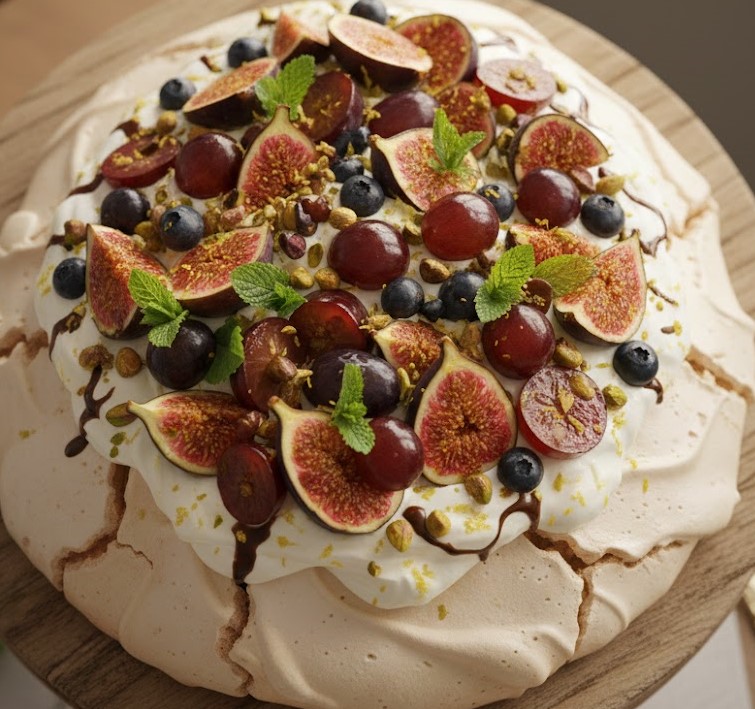
    This James Martin pavlova recipe is a classic British dessert with a crisp outer shell and a soft, marshmallow-like centre. It is light, elegant, and finished with softly whipped cream and fresh fruit for balance and freshness. The recipe is straightforward and suitable for confident beginners who want impressive results. Total time is around 2 hours plus cooling.

    Ingredients

    For the pavlova base

    • 4 large egg whites, at room temperature
    • 225g caster sugar
    • 1 tsp cornflour
    • 1 tsp white wine vinegar
    • ½ tsp vanilla extract

    For the topping

    • 300ml double cream
    • 1 tbsp icing sugar
    • 1 tsp vanilla extract
    • Fresh berries such as strawberries, raspberries, and blueberries
    James Martin Pavlova Recipe
    James Martin Pavlova Recipe

    How to Make James Martin Pavlova

    • Prepare the oven: Preheat the oven to 150°C or 130°C fan. Line a large baking tray with baking parchment and draw a 20cm circle as a guide.
    • Whisk the egg whites: Place the egg whites into a clean, dry bowl. Whisk with an electric mixer until stiff peaks form and the mixture looks glossy.
    • Add the sugar: Add the caster sugar one tablespoon at a time, whisking well after each addition. The meringue should feel smooth with no grit when rubbed between your fingers.
    • Finish the meringue: Gently fold in the cornflour, vinegar, and vanilla extract using a large metal spoon.
    • Shape the pavlova: Spoon the meringue onto the prepared tray, using the drawn circle as a guide. Shape the sides slightly higher than the centre to hold the topping.
    • Bake slowly: Place in the oven and bake for 1 hour and 15 minutes. The pavlova should be crisp on the outside and pale in colour.
    • Cool completely: Turn off the oven, leave the door slightly ajar, and allow the pavlova to cool completely inside. This helps prevent cracking.
    • Prepare the topping: Whip the double cream with icing sugar and vanilla until soft peaks form.
    • Assemble and serve: Spoon the cream over the cooled pavlova and finish with fresh berries just before serving.

    Tips

    Why is my pavlova soft or sticky?

    This usually happens if the sugar is not fully dissolved or if the oven temperature is too high. Add the sugar slowly and bake at a low temperature.

    How do I get a marshmallow centre?

    Baking slowly and allowing the pavlova to cool gradually in the oven helps create a soft centre with a crisp shell.

    Can I make pavlova in advance?

    You can bake the pavlova base a day ahead and store it in an airtight container. Add cream and fruit just before serving.

    Serving Suggestions

    • Serve with mixed berries and a drizzle of berry coulis
    • Top with passion fruit pulp for a sharp contrast
    • Pair with lightly sweetened mascarpone instead of cream

    Storage

    Room temperature

    The plain pavlova base keeps for up to 2 days in an airtight container.

    Refrigerator

    Once topped with cream, store in the fridge and eat within 24 hours.

    Freezing

    Freezing is not recommended as it affects the texture.

    Nutrition

    • Calories: 320 kcal
    • Carbohydrates: 45g
    • Protein: 4g
    • Fat: 14g
    • Saturated Fat: 9g
    • Sodium: 60mg

    Nutrition values are estimates and may vary depending on ingredients used.

    FAQs

    Can I bake this as a loaf instead?

    No, pavlova is a meringue-based dessert and must be baked flat to achieve the correct texture.

    Why did my pavlova crack?

    Cracking is normal and usually caused by rapid cooling. Let the pavlova cool slowly in the oven to reduce cracks.

    Can I make individual pavlovas?

    Yes, divide the meringue into smaller nests and reduce the baking time slightly.

    Is pavlova suitable for children?

    Yes, it is light, sweet, and alcohol free, making it suitable for all ages.

    James Martin Pavlova Recipe

    Recipe by Milli RoseCourse: DessertCuisine: BritishDifficulty: Easy
    Servings

    4

    servings
    Prep time

    30

    minutes
    Cooking time

    40

    minutes
    Calories

    300

    kcal
    Total time

    1

    hour 

    10

    minutes

    A classic James Martin pavlova with a crisp shell, soft marshmallow centre, and fresh cream and berries.

    Ingredients

    • 4 large egg whites

    • 225g caster sugar

    • 1 tsp cornflour

    • 1 tsp white wine vinegar

    • ½ tsp vanilla extract

    • 300ml double cream

    • 1 tbsp icing sugar

    • 1 tsp vanilla extract

    • Fresh berries

    Directions

    • Preheat oven to 150°C or 130°C fan and line a baking tray.
    • Whisk egg whites until stiff peaks form.
    • Add sugar gradually, whisking until glossy and smooth.
    • Fold in cornflour, vinegar, and vanilla.
    • Shape onto tray and bake for 75 minutes.
    • Cool completely in the oven with the door ajar.
    • Whip cream with icing sugar and vanilla.
    • Top pavlova with cream and fresh berries before serving.

    Notes

    • Add sugar slowly to ensure a smooth meringue.
    • Cool gradually to prevent cracking.
    • Top just before serving for best texture.
  • James Martin Pan Fried Pork Chops

    James Martin Pan Fried Pork Chops

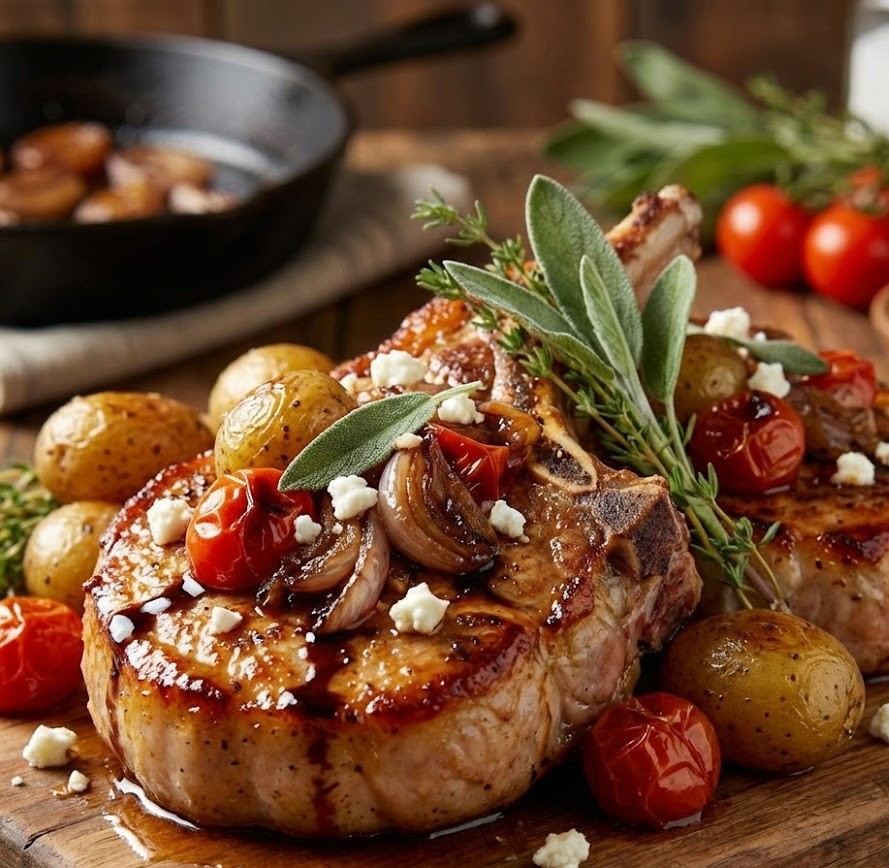
    This James Martin pan fried pork chops recipe is a simple, comforting main that delivers juicy meat with a golden, flavour-packed crust. The pork stays tender inside while the butter and herbs create a rich, savoury finish. It is an easy recipe that suits confident beginners and experienced home cooks alike. From start to finish, it is ready in about 25 minutes, making it perfect for a relaxed but impressive meal.

    Ingredients

    For the Pork Chops

    • 4 pork loin chops, about 2.5 cm thick
    • 2 tbsp olive oil
    • 30 g unsalted butter
    • 2 garlic cloves, lightly crushed
    • 2 fresh thyme sprigs
    • Salt, to taste
    • Freshly ground black pepper, to taste

    To Finish

    • 1 tbsp fresh lemon juice, optional
    • Extra thyme leaves, to serve
    James Martin Pan Fried Pork Chops

    How to Make James Martin Pan Fried Pork Chops

    • Prepare the pork: Remove the pork chops from the fridge 20 minutes before cooking so they come to room temperature. Pat them dry with kitchen paper, then season generously on both sides with salt and black pepper.
    • Heat the pan: Place a large, heavy-based frying pan over medium-high heat. Add the olive oil and allow it to heat until shimmering but not smoking.
    • Cook the pork chops: Lay the pork chops into the hot pan in a single layer. Cook for 3 to 4 minutes on the first side until well coloured, then turn and cook for another 3 minutes.
    • Add butter and aromatics: Reduce the heat slightly and add the butter, garlic cloves, and thyme sprigs. As the butter melts, spoon it over the pork chops repeatedly to baste them and build flavour.
    • Check for doneness: Cook until the pork reaches an internal temperature of 63°C. The meat should feel firm but still springy to the touch.
    • Rest and finish: Transfer the pork chops to a warm plate and rest for 5 minutes. Spoon over any pan juices, add a squeeze of lemon juice if using, and scatter with fresh thyme before serving.

    Tips

    How do I keep pork chops juicy?

    Use thick-cut pork chops and avoid overcooking. Letting the meat rest after cooking helps the juices redistribute.

    Should I use bone-in or boneless chops?

    Bone-in chops tend to stay juicier and have more flavour, but boneless chops also work well if they are thick enough.

    Why is my pork tough?

    Pork becomes tough when overcooked or cooked on too high a heat for too long. Keep the heat steady and use a thermometer if possible.

    Can I add extra flavours?

    Yes, rosemary, sage, or a crushed clove of garlic works beautifully. You can also finish with a splash of white wine in the pan.

    Serving Suggestions

    • Creamy mashed potatoes or buttery new potatoes
    • Steamed green beans or tenderstem broccoli
    • A simple apple and fennel salad

    Storage

    Room Temperature

    Pork chops should not be kept at room temperature for more than 2 hours after cooking.

    Refrigerator

    Store leftovers in an airtight container in the fridge for up to 3 days. Reheat gently to avoid drying out.

    Freezing

    Cooked pork chops can be frozen for up to 2 months. Cool completely, wrap well, and thaw overnight in the fridge before reheating.

    Nutrition

    • Calories: 360 kcal
    • Carbohydrates: 1 g
    • Protein: 32 g
    • Fat: 25 g
    • Saturated Fat: 9 g
    • Sodium: 420 mg

    Nutrition values are estimates and can vary based on ingredients used.

    FAQs

    Can I cook these pork chops without butter?

    Yes, you can use olive oil alone, but butter adds richness and helps carry the flavour of the herbs.

    How thick should pork chops be for pan frying?

    Chops around 2.5 cm thick are ideal. Thinner chops cook too quickly and can dry out.

    Can I finish pork chops in the oven?

    If your chops are very thick, you can sear them in the pan and finish in a 180°C oven for a few minutes.

    Is it safe to eat slightly pink pork?

    Yes, pork is safe at 63°C with a short resting time. It may have a slight blush but will be juicy and tender.

    James Martin Pan Fried Pork Chops

    Recipe by Milli RoseCourse: Main CourseCuisine: BritishDifficulty: Easy
    Servings

    4

    servings
    Prep time

    30

    minutes
    Cooking time

    40

    minutes
    Calories

    300

    kcal
    Total time

    1

    hour 

    10

    minutes

    Juicy pan fried pork chops cooked with butter, garlic, and thyme for a simple but flavour-packed main.

    Ingredients

    • 4 pork loin chops

    • 2 tbsp olive oil

    • 30 g unsalted butter

    • 2 garlic cloves, crushed

    • 2 fresh thyme sprigs

    • Salt

    • Black pepper

    • Lemon juice, optional

    Directions

    • Season pork chops and bring to room temperature.
    • Heat oil in a frying pan over medium-high heat.
    • Cook pork chops on both sides until golden.
    • Add butter, garlic, and thyme, then baste.
    • Rest briefly, then serve with pan juices.

    Notes

    • Use thick-cut pork chops for best results.
    • Resting the meat is essential for juiciness.
    • Serve immediately for best flavour.
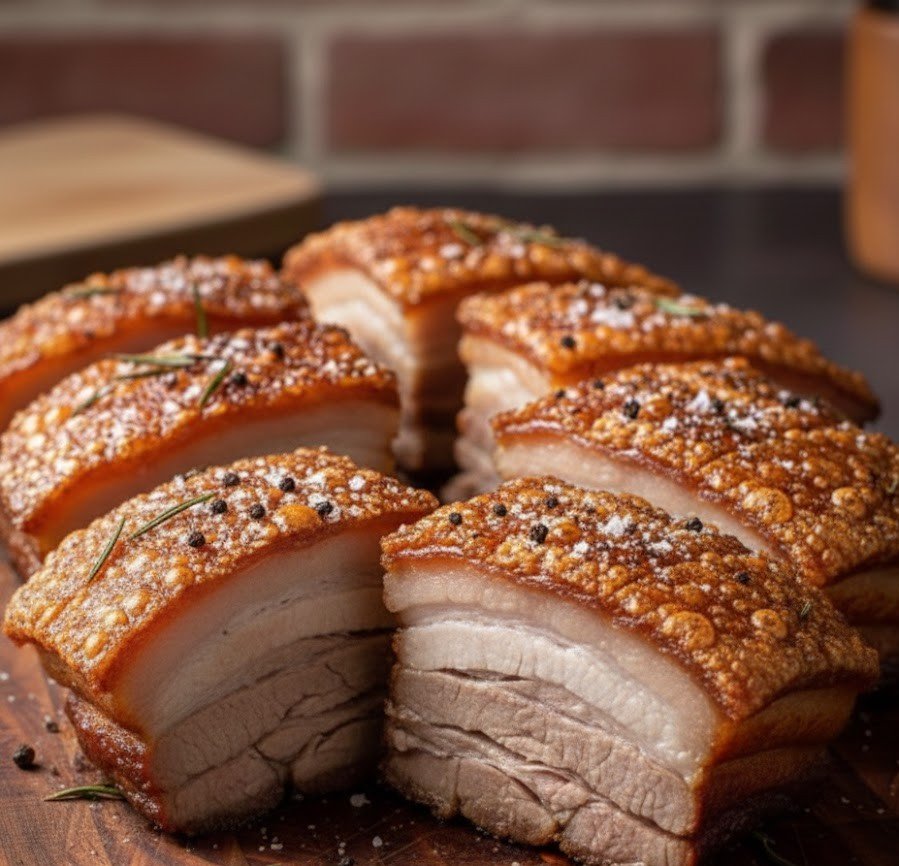
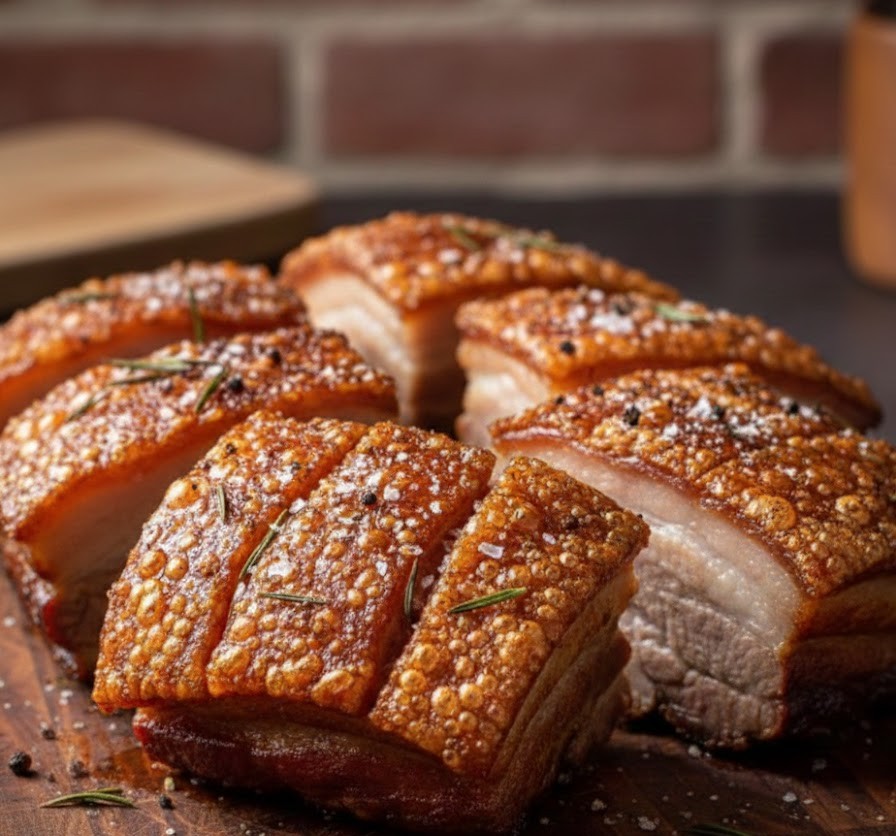
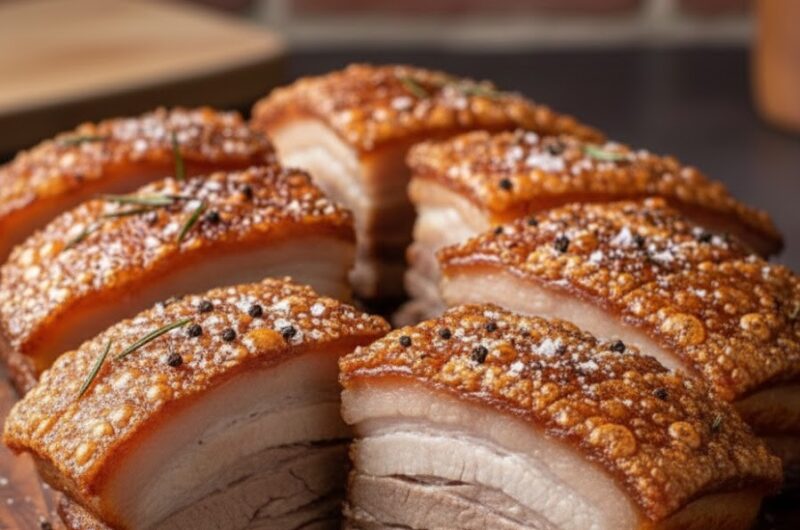
  • James Martin Pork Cracklings

    James Martin Pork Cracklings

    These pork cracklings are crisp, golden, and deeply savoury with that unmistakable crunch that makes them so addictive. The skin puffs and blisters as it roasts, giving you light, airy cracklings with a rich pork flavour. This is a simple recipe with very little hands-on work, but it does need patience while the oven does its job. Total time is around 1 hour 30 minutes, including preparation and cooling.

    Ingredients

    For the pork cracklings

    • 500 g pork rind, skin only, with most fat removed
    • 1 tsp fine sea salt
    • 1 tsp white vinegar
    • Freshly ground black pepper, optional
    • Prepare the oven: Preheat the oven to 200°C or 180°C fan. Place a shelf in the middle of the oven so the cracklings cook evenly and crisp without burning.
    • Prepare the pork skin: Pat the pork rind completely dry using kitchen paper. Cut it into small bite-sized pieces using a sharp knife or kitchen scissors.
    • Season the skin: Place the pork pieces into a bowl. Sprinkle over the salt and vinegar, then toss well to coat every piece evenly.
    • Start the baking: Arrange the pork skin pieces in a single layer on a wire rack set over a baking tray. This allows the fat to drip away as they cook.
    • Bake until crisp: Bake for 45 to 60 minutes, turning once halfway through. The cracklings are ready when puffed, golden, and very crisp.
    • Cool and finish: Remove from the oven and leave to cool for 10 minutes. Sprinkle with black pepper if using, then serve.
    James Martin Pork Cracklings

    Tips for Perfect Pork Cracklings

    Why are my cracklings not puffing?

    The skin must be completely dry before baking. Any moisture will prevent it from blistering and puffing properly.

    How do I stop them from burning?

    Use a wire rack over a tray so the fat drips away. Check them regularly during the last 15 minutes of cooking.

    Should I remove all the fat?

    Most of the fat should be trimmed away, but a very thin layer helps the cracklings crisp and develop flavour.

    Serving Suggestions

    • Serve as a crunchy snack with cold beer or cider
    • Add to soups or salads for extra texture
    • Serve alongside roast pork or slow-cooked meats

    Storage

    Room temperature

    Store cooled cracklings in an airtight container for up to 2 days. Keep them dry to maintain crispness.

    Refrigerator

    Refrigeration is not recommended as moisture will soften the cracklings.

    Freezing

    Pork cracklings do not freeze well and are best enjoyed fresh.

    Nutrition

    • Calories: 210 kcal
    • Carbohydrates: 0 g
    • Protein: 18 g
    • Fat: 16 g
    • Saturated fat: 6 g
    • Sodium: 420 mg

    Nutrition values are estimates and may vary depending on ingredients used.

    FAQs

    Why are my pork cracklings chewy?

    Chewy cracklings usually mean the skin was not dry enough or the oven temperature was too low. Make sure the skin is fully dry and the oven is properly preheated.

    Can I make pork cracklings in advance?

    They are best eaten fresh, but you can make them a few hours ahead and keep them uncovered in a dry place.

    Do I need oil for pork cracklings?

    No oil is needed. The pork skin releases enough fat as it cooks to crisp itself.

    Can I use pork belly skin?

    Yes, pork belly skin works well as long as most of the fat is trimmed away before baking.

    James Martin Pork Cracklings

    Recipe by Milli RoseCourse: SnackCuisine: BritishDifficulty: Easy
    Servings

    4

    servings
    Prep time

    30

    minutes
    Cooking time

    40

    minutes
    Calories

    300

    kcal
    Total time

    1

    hour 

    10

    minutes

    Crisp, golden pork cracklings with deep savoury flavour. A simple oven-baked snack or side that delivers perfect crunch every time.

    Ingredients

    • 500 g pork rind, skin only

    • 1 tsp fine sea salt

    • 1 tsp white vinegar

    Directions

    • Preheat oven to 200°C or 180°C fan and position a rack in the centre.
    • Pat pork rind completely dry and cut into small pieces.
    • Toss pork skin with salt and vinegar until evenly coated.
    • Arrange on a wire rack over a baking tray in a single layer.
    • Bake for 45 to 60 minutes, turning once, until puffed and crisp.
    • Cool briefly before serving.

    Notes

    • Dry skin is essential for crisp cracklings.
    • A wire rack helps fat drain away during cooking.
    • Best enjoyed fresh for maximum crunch.

slot depo

sicbo online