Author: Rose Melton

  • James Martin Pasta Ragu Recipe

    James Martin Pasta Ragu Recipe

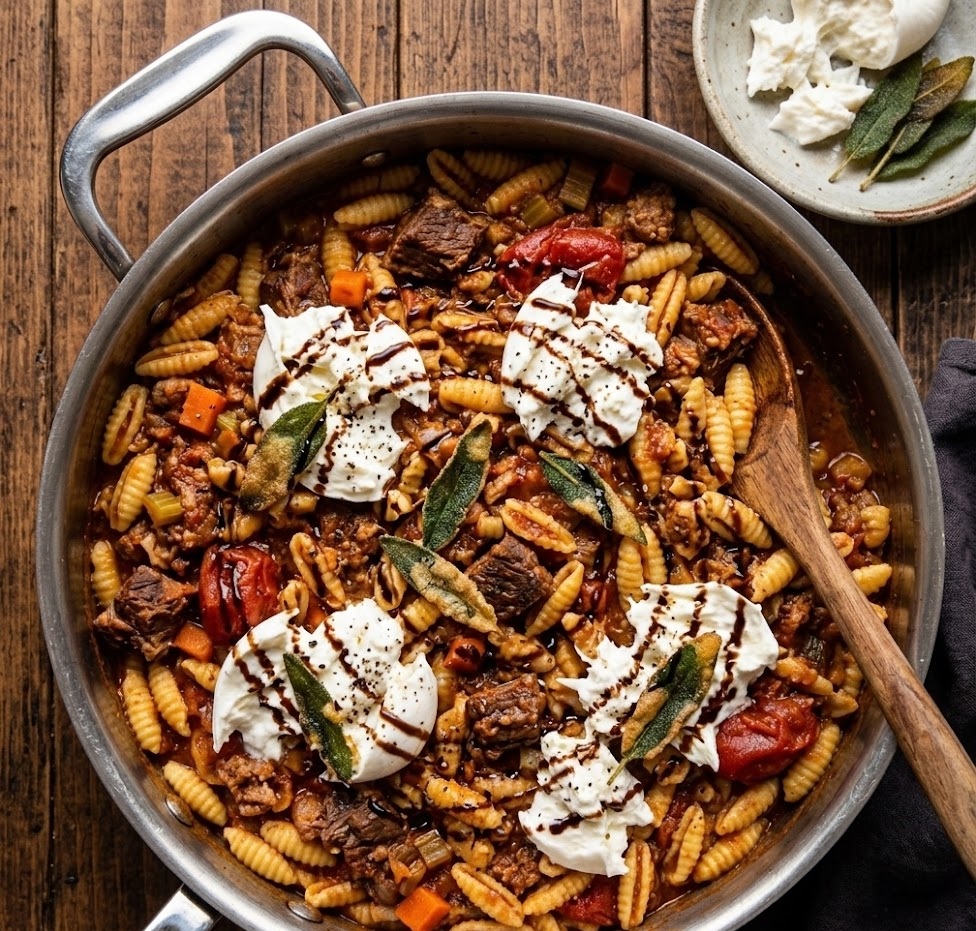
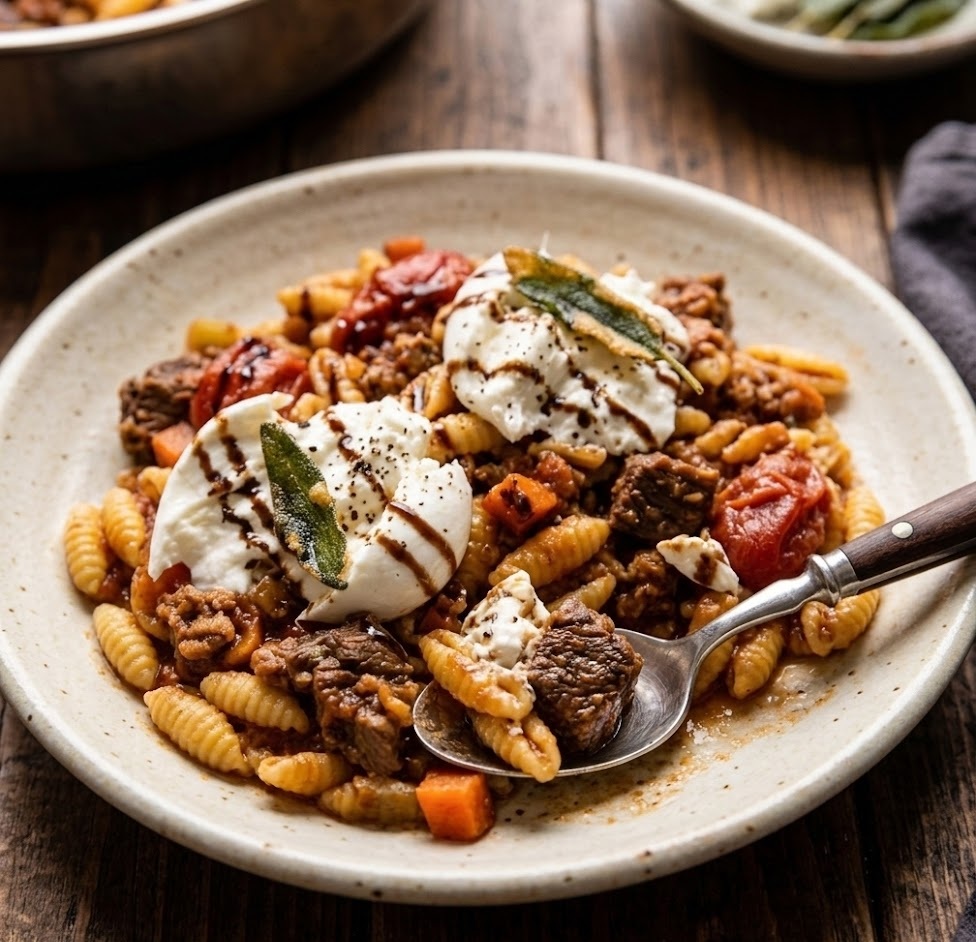
    This James Martin Pasta Ragu Recipe is a rich and comforting Italian-style dish made with slow-cooked minced beef, tomatoes, herbs, and a touch of red wine. The sauce develops a deep, savoury flavour with a thick, silky texture that coats the pasta beautifully. It is a straightforward recipe that feels special yet remains easy enough for home cooks of any skill level. From start to finish, the dish takes about 1 hour to prepare and cook, making it ideal for a satisfying family dinner.

    Ingredients

    For the Ragu Sauce

    • 2 tbsp olive oil
    • 1 onion, finely chopped
    • 2 garlic cloves, crushed
    • 1 carrot, finely diced
    • 1 celery stick, finely diced
    • 500g minced beef
    • 2 tbsp tomato purée
    • 400g tin chopped tomatoes
    • 150ml red wine
    • 200ml beef stock
    • 1 tsp dried oregano
    • 1 tsp dried thyme
    • Salt and freshly ground black pepper

    For the Pasta

    • 400g dried pasta (tagliatelle or pappardelle work well)
    • Salt, for the cooking water

    For Serving

    • 50g freshly grated Parmesan cheese
    • Small handful fresh basil or parsley, chopped

    How to Make James Martin Pasta Ragu Recipe

    • Prepare the base: Heat the olive oil in a large heavy-based pan over medium heat. Add the chopped onion, carrot and celery. Cook gently for 6 to 8 minutes until softened and fragrant.
    • Add the garlic: Stir in the crushed garlic and cook for another minute, allowing it to release its aroma without burning.
    • Brown the meat: Add the minced beef to the pan. Cook for 5 to 6 minutes, breaking it up with a spoon until browned and crumbly.
    • Add tomato purée: Stir in the tomato purée and cook for 1 minute to deepen the flavour.
    • Pour in the wine: Add the red wine and let it simmer for 2 to 3 minutes until slightly reduced.
    • Add tomatoes and stock: Stir in the chopped tomatoes, beef stock, oregano and thyme. Season with salt and black pepper.
    • Simmer the ragu: Reduce the heat and simmer gently for 30 to 40 minutes, stirring occasionally, until the sauce becomes thick and rich.
    • Cook the pasta: Meanwhile, bring a large pan of salted water to the boil. Cook the pasta according to the packet instructions until al dente.
    • Combine and serve: Drain the pasta and toss it through the ragu sauce. Serve hot topped with grated Parmesan and fresh herbs.
    How to Make James Martin Pasta Ragu Recipe

    Tips for the Best Pasta Ragu

    How do I make the ragu taste richer?

    Allow the sauce to simmer slowly for at least 30 minutes. The longer it cooks, the deeper and more developed the flavour becomes.

    Should I use fresh or dried herbs?

    Dried herbs work well for slow cooking, but adding a small handful of fresh herbs at the end brightens the flavour.

    What pasta works best with ragu?

    Wide pasta such as tagliatelle or pappardelle holds the sauce well and gives the dish a traditional Italian feel.

    Can I add extra vegetables?

    Yes, finely diced mushrooms or courgette can be added with the onions for extra flavour and nutrition.

    Serving Suggestions

    • Serve with warm garlic bread
    • Add a crisp green salad on the side
    • Top with extra Parmesan and fresh basil
    • Pair with a glass of red wine for a classic meal

    Storage

    Room Temperature

    Once cooked, the ragu should not be left at room temperature for more than 2 hours.

    Refrigerator

    Store leftover ragu in an airtight container in the refrigerator for up to 3 days. Reheat gently on the hob or in the microwave.

    Freezing

    The ragu sauce freezes well for up to 3 months. Allow it to cool completely before freezing, then thaw overnight in the refrigerator before reheating.

    Nutrition

    • Calories: 520 kcal
    • Carbohydrates: 55g
    • Protein: 32g
    • Fat: 20g
    • Saturated Fat: 7g
    • Sodium: 620mg

    Nutrition values are estimates and may vary depending on ingredients used.

    FAQs

    What pasta is best for ragu?

    Wide pasta such as tagliatelle or pappardelle works best because the thick sauce clings to the ribbons of pasta, giving a balanced bite.

    Can I make this ragu ahead of time?

    Yes, ragu actually tastes even better the next day as the flavours have more time to develop. Simply reheat gently before serving.

    Can I freeze pasta ragu?

    The ragu sauce freezes very well for up to three months. Freeze it separately from the pasta for the best texture.

    Can I make this recipe without wine?

    Yes, you can replace the red wine with extra beef stock if you prefer not to use alcohol. The sauce will still be rich and flavourful.
    James Martin Pasta Ragu Recipe

    Recipe by Milli RoseCourse: Main CourseCuisine: ItalianDifficulty: Easy
    Servings

    4

    servings
    Prep time

    30

    minutes
    Cooking time

    40

    minutes
    Calories

    300

    kcal
    Total time

    1

    hour 

    10

    minutes

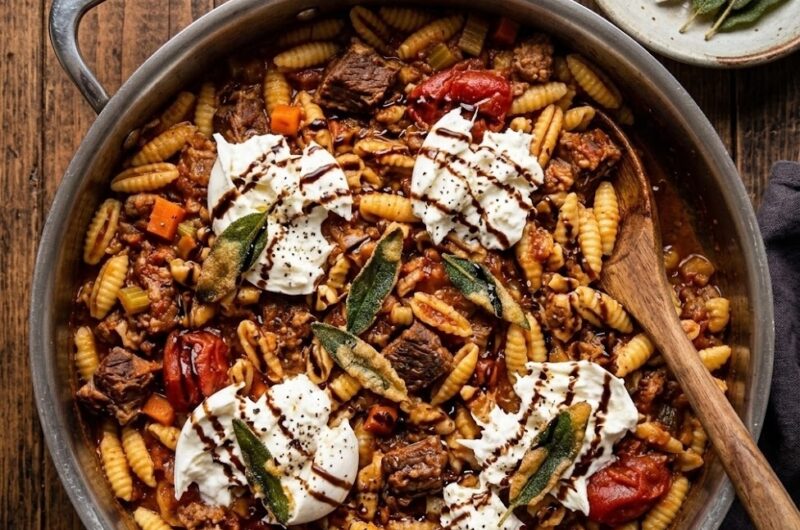
    Rich and hearty pasta ragu made with minced beef, tomatoes, herbs and red wine, slowly simmered for a deeply flavourful Italian-style sauce.

    Ingredients

    • 2 tbsp olive oil

    • 1 onion, finely chopped

    • 2 garlic cloves, crushed

    • 1 carrot, finely diced

    • 1 celery stick, finely diced

    • 500g minced beef

    • 2 tbsp tomato purée

    • 400g chopped tomatoes

    • 150ml red wine

    • 200ml beef stock

    • 1 tsp dried oregano

    • 1 tsp dried thyme

    • 400g pasta

    • Parmesan cheese and fresh herbs for serving

    Directions

    • Heat olive oil in a large pan and cook onion, carrot and celery until softened.
    • Add garlic and cook briefly until fragrant.
    • Add minced beef and cook until browned.
    • Stir in tomato purée and cook for one minute.
    • Pour in red wine and simmer until slightly reduced.
    • Add chopped tomatoes, beef stock and herbs then simmer for 30–40 minutes.
    • Cook pasta in salted boiling water until al dente.
    • Drain pasta and toss with the ragu sauce.
    • Serve topped with Parmesan cheese and fresh herbs.

    Notes

    • Slow simmering improves the flavour of the ragu.
    • Wide pasta shapes hold the sauce best.
    • The sauce can be frozen for up to 3 months.
  • James Martin Steamed Pudding

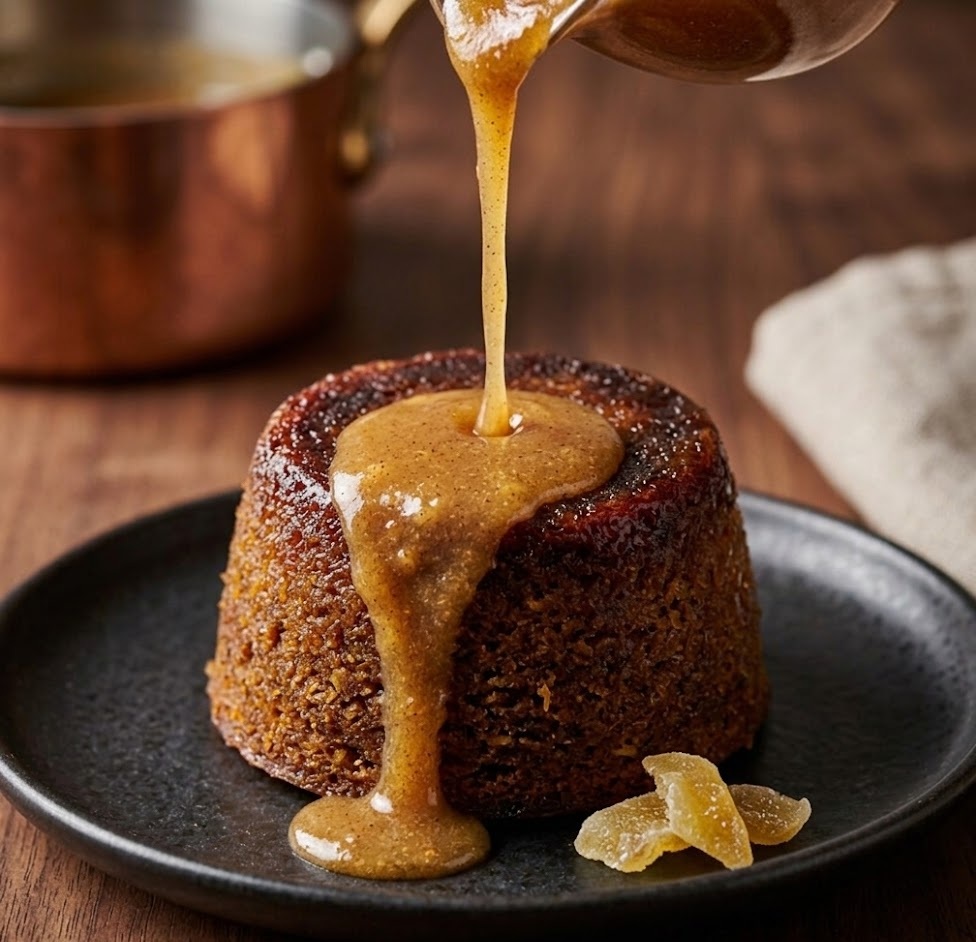
    James Martin Steamed Pudding

    James Martin Steamed Pudding is a classic British dessert known for its rich flavour and soft, comforting texture. The sponge becomes beautifully moist through gentle steaming, creating a light yet indulgent pudding that pairs perfectly with warm custard. This traditional pudding is surprisingly simple to make and requires only basic ingredients and a little patience while it steams. From start to finish, the recipe takes about 1 hour and 45 minutes and is suitable for beginners who enjoy traditional home baking.

    Ingredients

    For the Sponge Pudding

    • 150g unsalted butter, softened
    • 150g caster sugar
    • 3 large eggs
    • 150g self-raising flour
    • 1 tsp baking powder
    • 2 tbsp milk
    • 1 tsp vanilla extract

    For the Syrup Base

    • 4 tbsp golden syrup
    • 1 tbsp lemon juice

    For the Pudding Basin

    • Butter, for greasing
    • Baking parchment
    • Kitchen foil

    How to Make James Martin Steamed Pudding

    • Prepare the pudding basin: Generously grease a 1 litre pudding basin with butter. Spoon the golden syrup and lemon juice into the bottom of the basin so it forms a glossy base for the pudding.
    • Prepare the steaming pot: Fill a large saucepan with enough water to come halfway up the pudding basin. Place a small heatproof saucer or trivet in the base to keep the basin stable while steaming.
    • Cream the butter and sugar: In a large mixing bowl beat the softened butter and caster sugar together until pale, light and fluffy.
    • Add the eggs: Beat in the eggs one at a time, mixing well after each addition so the batter remains smooth.
    • Mix the batter: Fold in the self-raising flour and baking powder, then add the milk and vanilla extract. Stir gently until a soft, smooth batter forms.
    • Fill the basin: Spoon the batter carefully into the prepared pudding basin over the syrup layer. Leave about 2 cm space at the top so the pudding can rise.
    • Cover the pudding: Place a circle of baking parchment over the top, then cover tightly with foil. Tie securely with kitchen string to seal.
    • Steam the pudding: Lower the basin into the prepared saucepan. Cover with a lid and steam gently for about 1 hour 30 minutes, topping up the water if needed.
    • Cool slightly: Carefully lift the basin out of the pan and allow it to rest for 5 minutes.
    • Turn out and serve: Run a knife around the edge and invert the pudding onto a serving plate so the golden syrup runs down the sides.
    How to Make James Martin Steamed Pudding

    Tips for the Best Steamed Pudding

    How do I keep the pudding moist?

    Ensure the basin is tightly sealed with foil so steam stays inside. Also maintain a steady simmer during cooking.

    Why did my pudding turn out dense?

    This often happens if the batter is overmixed. Fold the flour gently to keep the sponge light.

    How do I know when the pudding is cooked?

    Insert a skewer into the centre. If it comes out clean, the pudding is ready.

    Can I add fruit to the pudding?

    Yes. Chopped dates, raisins or dried apricots work beautifully and add natural sweetness.

    Serving Suggestions

    • Serve warm with classic vanilla custard
    • Drizzle with extra golden syrup for a richer dessert
    • Add a scoop of vanilla ice cream
    • Pair with lightly whipped cream

    Storage

    Room Temperature

    The pudding can sit at room temperature for up to 6 hours once cooked. Cover loosely to prevent it from drying.

    Refrigerator

    Store leftovers in an airtight container in the fridge for up to 3 days. Reheat gently by steaming or microwaving.

    Freezing

    Wrap the pudding tightly and freeze for up to 2 months. Defrost overnight in the refrigerator and reheat by steaming.

    Nutrition

    • Calories: 360 kcal
    • Carbohydrates: 48g
    • Protein: 6g
    • Fat: 16g
    • Saturated Fat: 9g
    • Sodium: 210mg

    Nutrition values are estimates and may vary depending on ingredients used.

    FAQs

    Can I make this pudding without a pudding basin?

    Yes, you can use a heatproof bowl or metal mixing bowl as long as it fits securely inside your saucepan for steaming.

    Can I reheat steamed pudding?

    Yes, leftover pudding can be reheated by steaming for 20 minutes or microwaving individual portions until hot.

    What is the best sauce to serve with steamed pudding?

    Traditional custard is the most popular choice, but cream, caramel sauce or extra golden syrup also work well.

    Can I make this pudding ahead of time?

    Yes, the pudding can be steamed a day in advance and reheated before serving without losing its soft texture.

    James Martin Steamed Pudding

    Recipe by Milli RoseCourse: DessertCuisine: BritishDifficulty: Easy
    Servings

    4

    servings
    Prep time

    30

    minutes
    Cooking time

    40

    minutes
    Calories

    300

    kcal
    Total time

    1

    hour 

    10

    minutes

    A traditional British steamed sponge pudding with a rich golden syrup base. Soft, moist and comforting, this classic dessert is perfect served warm with custard.

    Ingredients

    • 150g unsalted butter, softened

    • 150g caster sugar

    • 3 large eggs

    • 150g self-raising flour

    • 1 tsp baking powder

    • 2 tbsp milk

    • 1 tsp vanilla extract

    • 4 tbsp golden syrup

    • 1 tbsp lemon juice

    • Butter for greasing basin

    Directions

    • Grease a 1 litre pudding basin and spoon golden syrup and lemon juice into the base.
    • Cream the butter and caster sugar together until pale and fluffy.
    • Beat in the eggs one at a time, mixing well after each addition.
    • Fold in the flour and baking powder, then add milk and vanilla to make a smooth batter.
    • Spoon batter into the pudding basin leaving space for rising.
    • Cover with baking parchment and foil and tie securely.
    • Place the basin into a saucepan with simmering water reaching halfway up the sides.
    • Cover and steam for about 1 hour 30 minutes until cooked through.
    • Turn out onto a plate and serve warm with custard.

    Notes

    • Check the water level during steaming and top up if necessary.
    • Seal the pudding tightly to prevent water entering.
    • Serve warm with custard or cream for the best flavour.
  • James Martin Paella

    James Martin Paella

    James Martin Paella is a vibrant Spanish-inspired rice dish packed with seafood, chicken, and smoky spices. The rice cooks slowly in a rich saffron and paprika broth, absorbing deep flavours while staying tender with slightly crisp edges. It is a satisfying one-pan meal that feels special yet approachable for home cooks. This recipe is medium in difficulty and takes about 50 minutes from start to finish.

    Ingredients

    For the Chicken and Base

    • 2 tbsp olive oil
    • 2 chicken breasts, cut into bite-sized pieces
    • 1 small onion, finely chopped
    • 2 garlic cloves, crushed
    • 1 red pepper, sliced
    • 1 tsp smoked paprika
    • 1/2 tsp chilli flakes (optional)

    For the Rice

    • 300g paella rice or arborio rice
    • 750ml chicken stock
    • 1/2 tsp saffron strands
    • 1 tbsp tomato purée
    • 1 small tomato, finely chopped

    For the Seafood and Finishing

    • 150g raw king prawns, peeled
    • 150g mussels, cleaned
    • 100g squid rings
    • 75g frozen peas
    • 1 lemon, cut into wedges
    • 2 tbsp fresh parsley, chopped
    • Salt and freshly ground black pepper

    How to Make James Martin Paella

    • Prepare the base: Heat the olive oil in a large paella pan or wide frying pan over medium heat. Add the chicken pieces and cook for 5 to 6 minutes until lightly golden on all sides.
    • Cook the vegetables: Add the chopped onion, garlic, and sliced red pepper to the pan. Cook for about 4 minutes until softened and fragrant.
    • Add the spices: Stir in the smoked paprika and chilli flakes if using. Cook for 30 seconds so the spices release their aroma.
    • Add rice and flavourings: Stir the paella rice into the pan so it becomes coated in the oil and spices. Mix in the chopped tomato and tomato purée.
    • Add stock and saffron: Warm the stock and add the saffron strands. Pour the stock into the pan and stir once to combine. Season lightly with salt and pepper.
    • Simmer the rice: Reduce the heat and let the rice simmer gently for about 15 minutes without stirring. The rice should absorb most of the liquid.
    • Add seafood: Arrange the prawns, mussels, and squid rings on top of the rice. Scatter over the peas.
    • Finish cooking: Cover loosely with foil and cook for another 8 to 10 minutes until the seafood is cooked and the rice is tender.
    • Rest and serve: Remove from the heat and allow the paella to rest for 5 minutes. Sprinkle with chopped parsley and serve with lemon wedges.
    How to Make James Martin Paella

    Tips for the Best James Martin Paella

    How do I get the classic crispy rice base?

    Allow the paella to cook undisturbed during the final minutes. This helps form a lightly crisp layer of rice on the bottom called socarrat.

    Can I make paella without seafood?

    Yes, you can replace the seafood with extra chicken, chorizo, or vegetables for a different variation.

    Why should I avoid stirring the rice?

    Paella cooks best when the rice is left undisturbed. Stirring releases starch and can make the dish creamy instead of fluffy.

    What pan works best for paella?

    A wide, shallow pan allows the rice to cook evenly and helps achieve the traditional texture.

    Serving Suggestions

    • Serve with a crisp green salad
    • Add warm crusty bread on the side
    • Pair with grilled vegetables
    • Serve with extra lemon wedges for freshness

    Storage

    Room Temperature

    Paella should not be left out for more than 2 hours after cooking.

    Refrigerator

    Store leftovers in an airtight container for up to 2 days. Reheat gently in a pan with a splash of stock or water.

    Freezing

    Paella can be frozen for up to 2 months. Cool completely before freezing and thaw overnight in the refrigerator before reheating.

    Nutrition

    • Calories: 420 kcal
    • Carbohydrates: 48g
    • Protein: 32g
    • Fat: 12g
    • Saturated Fat: 2.5g
    • Sodium: 640mg

    Nutrition values are estimates and may vary depending on ingredients used.

    FAQs

    What rice is best for paella?

    Traditional Spanish paella rice such as Bomba works best, but arborio rice can also be used if it is easier to find.

    Can I make paella in advance?

    Paella is best served freshly cooked, but you can prepare it earlier and gently reheat it with a splash of stock.

    Can I add chorizo to paella?

    Yes, sliced chorizo adds a smoky flavour and works very well alongside the chicken and seafood.

    How do I know when the paella is cooked?

    The rice should be tender and most of the liquid absorbed. The seafood should be fully cooked and the mussels opened.

    James Martin Paella

    Recipe by Milli RoseCourse: Main CourseCuisine: SpanishDifficulty: Medium
    Servings

    4

    servings
    Prep time

    30

    minutes
    Cooking time

    40

    minutes
    Calories

    300

    kcal
    Total time

    1

    hour 

    10

    minutes

    A vibrant Spanish-style paella with chicken, seafood, saffron rice, and smoky paprika. A colourful one-pan meal packed with bold Mediterranean flavours.

    Ingredients

    • 2 tbsp olive oil

    • 2 chicken breasts, diced

    • 1 onion, chopped

    • 2 garlic cloves, crushed

    • 1 red pepper, sliced

    • 1 tsp smoked paprika

    • 1/2 tsp chilli flakes

    • 300g paella rice

    • 750ml chicken stock

    • 1/2 tsp saffron strands

    • 1 tbsp tomato puree

    • 1 tomato, chopped

    • 150g king prawns

    • 150g mussels

    • 100g squid rings

    • 75g frozen peas

    • 1 lemon, cut into wedges

    • 2 tbsp fresh parsley, chopped

    Directions

    • Heat olive oil in a wide pan and cook diced chicken until lightly golden.
    • Add onion, garlic and red pepper and cook until softened.
    • Stir in smoked paprika and chilli flakes.
    • Add paella rice, tomato and tomato puree and mix well.
    • Pour in stock with saffron and simmer gently without stirring.
    • Arrange prawns, mussels and squid on top with peas.
    • Cover loosely and cook until seafood is cooked and rice tender.
    • Rest for 5 minutes then garnish with parsley and lemon wedges.

    Notes

    • Use a wide shallow pan for authentic paella texture.
    • Avoid stirring the rice once the stock is added.
    • Allow the paella to rest briefly before serving for the best flavour.
  • James Martin Cheese Straws

    James Martin Cheese Straws

    James Martin Cheese Straws are a classic savoury pastry snack made with buttery puff pastry and sharp cheese. They bake into crisp, flaky sticks with a rich cheesy flavour and a delicate golden crunch. Perfect for serving with drinks or alongside soups, they look impressive but are surprisingly easy to make. The whole recipe takes about 30 minutes from start to finish, making it ideal for quick entertaining.

    Ingredients

    For the Cheese Straws

    • 1 sheet ready-rolled puff pastry
    • 100g mature Cheddar cheese, finely grated
    • 25g Parmesan cheese, finely grated
    • 1 tsp English mustard powder
    • 1 tsp paprika
    • 1 egg, beaten
    • Freshly ground black pepper

    Optional Topping

    • Extra grated Parmesan
    • Sesame seeds or poppy seeds

    How to Make James Martin Cheese Straws

    • Prepare the oven: Preheat the oven to 200°C or 180°C fan. Line a large baking tray with baking parchment so the pastry does not stick while baking.
    • Roll the pastry: Unroll the puff pastry onto a lightly floured surface. If needed, roll it slightly thinner to create an even rectangle.
    • Add the filling: Sprinkle the grated Cheddar and Parmesan evenly over the pastry. Dust with mustard powder, paprika, and a little freshly ground black pepper.
    • Fold and press: Fold the pastry sheet in half so the cheese is enclosed. Gently press down with a rolling pin to seal the layers and spread the filling.
    • Cut the strips: Using a sharp knife or pizza cutter, slice the pastry into strips about 1cm wide.
    • Twist the straws: Twist each strip a few times and place onto the lined baking tray, leaving a little space between each straw.
    • Brush and top: Brush lightly with beaten egg and sprinkle with extra Parmesan or seeds if desired.
    • Bake: Bake for 12 to 15 minutes until the cheese straws are puffed, crisp, and golden brown.
    • Cool and serve: Allow the cheese straws to cool slightly on a wire rack before serving so they become extra crisp.
    How to Make James Martin Cheese Straws

    Tips for the Best Cheese Straws

    How do I keep the pastry crisp?

    Bake the straws until deeply golden and transfer them to a wire rack straight away. This allows steam to escape and keeps the pastry crisp.

    Which cheese works best?

    Mature Cheddar gives the strongest flavour. You can also mix in Gruyère or extra Parmesan for a deeper savoury taste.

    Why are my cheese straws not twisting properly?

    If the pastry becomes too soft, place it in the fridge for 10 minutes before twisting. Chilled pastry holds its shape better.

    Can I add extra seasoning?

    Yes, a pinch of cayenne pepper, smoked paprika, or dried herbs can add extra flavour to the pastry.

    Serving Suggestions

    • Serve warm as a savoury snack with drinks
    • Pair with tomato soup or vegetable soup
    • Add to a cheese board or party platter
    • Serve alongside salads or light lunches

    Storage

    Room Temperature

    Store the cheese straws in an airtight container for up to 2 days. Keep them in a cool, dry place to maintain crispness.

    Refrigerator

    They can be refrigerated for up to 4 days, although the pastry may soften slightly. Reheat briefly in the oven to restore crispness.

    Freezing

    Unbaked cheese straws can be frozen for up to 2 months. Bake directly from frozen, adding a few extra minutes to the cooking time.

    Nutrition

    • Calories: 180 kcal
    • Carbohydrates: 12g
    • Protein: 5g
    • Fat: 13g
    • Saturated Fat: 7g
    • Sodium: 210mg

    Nutrition values are approximate and may vary depending on ingredients used.

    FAQs

    Can I make cheese straws with shortcrust pastry?

    Yes, shortcrust pastry works well and produces a slightly firmer, biscuit-like cheese straw rather than a flaky one.

    Can I prepare cheese straws in advance?

    Yes, you can prepare and cut the pastry strips ahead of time. Keep them chilled in the fridge and bake just before serving.

    Why are my cheese straws soft?

    Soft cheese straws usually mean they were underbaked or stored while still warm. Bake until golden and allow them to cool fully on a rack.

    Can I use different cheeses?

    Absolutely. Cheddar, Gruyère, Red Leicester, and Parmesan all work well and can be combined for extra flavour.

    James Martin Cheese Straws

    Recipe by Milli RoseCourse: SnackCuisine: BritishDifficulty: Easy
    Servings

    4

    servings
    Prep time

    30

    minutes
    Cooking time

    40

    minutes
    Calories

    300

    kcal
    Total time

    1

    hour 

    10

    minutes

    Crisp, flaky James Martin Cheese Straws made with puff pastry and mature Cheddar. A quick and easy savoury snack perfect for parties, drinks, or serving with soup.

    Ingredients

    • 1 sheet ready-rolled puff pastry

    • 100g mature Cheddar cheese, finely grated

    • 25g Parmesan cheese, finely grated

    • 1 tsp English mustard powder

    • 1 tsp paprika

    • 1 egg, beaten

    • Freshly ground black pepper

    Directions

    • Preheat the oven to 200°C (180°C fan) and line a baking tray with parchment.
    • Roll the puff pastry on a lightly floured surface into an even rectangle.
    • Scatter Cheddar and Parmesan evenly over the pastry and sprinkle with mustard powder, paprika and black pepper.
    • Fold the pastry in half and gently roll to seal the cheese inside.
    • Cut into thin strips about 1cm wide using a sharp knife or pizza cutter.
    • Twist each strip and place on the prepared tray.
    • Brush lightly with beaten egg and sprinkle with extra Parmesan if desired.
    • Bake for 12–15 minutes until puffed and golden brown.
    • Cool slightly on a rack before serving.

    Notes

    • Use mature Cheddar for the best flavour.
    • If pastry becomes soft while shaping, chill it briefly before baking.
    • Serve warm or at room temperature for the best texture.
  • James Martin Cauliflower Cheese

    James Martin Cauliflower Cheese

    James Martin Cauliflower Cheese is a comforting British classic made with tender florets baked in a rich, creamy cheese sauce and finished with a golden, bubbling top. The texture is smooth and velvety underneath with a lightly crisp finish that makes every spoonful satisfying. This is a straightforward, family-friendly dish that feels special enough for Sunday lunch yet simple enough for a midweek supper. Preparation takes around 20 minutes, with a total time of about 50 minutes from start to finish.

    Ingredients

    For the cauliflower

    • 1 large cauliflower, cut into even florets
    • Salt, for boiling water

    For the cheese sauce

    • 50g unsalted butter
    • 50g plain flour
    • 600ml whole milk, warmed
    • 150g mature Cheddar cheese, grated
    • 50g Gruyère cheese, grated
    • 1 tsp English mustard
    • Salt and freshly ground black pepper, to taste
    • A pinch of freshly grated nutmeg

    For the topping

    • 50g mature Cheddar cheese, grated
    • 2 tbsp fresh breadcrumbs

    How to Make James Martin Cauliflower Cheese

    • Prepare the oven: Preheat the oven to 200°C or 180°C fan. Place a shelf in the middle of the oven so the cauliflower cheese cooks evenly and the topping colours nicely.
    • Cook the cauliflower: Bring a large pan of salted water to the boil. Add the cauliflower florets and cook for 5 to 6 minutes until just tender but still holding their shape. Drain thoroughly and set aside to steam dry.
    • Make the roux: In a medium saucepan, melt the butter over gentle heat. Stir in the flour and cook for 1 to 2 minutes, stirring constantly, until the mixture forms a smooth paste.
    • Add the milk: Gradually whisk in the warm milk, a little at a time, until smooth. Continue cooking, stirring, until the sauce thickens to a creamy consistency.
    • Add the cheese and seasoning: Remove the pan from the heat and stir in the grated Cheddar, Gruyère, mustard and nutmeg. Season well with salt and pepper. Stir until the cheese has fully melted and the sauce is smooth.
    • Assemble the dish: Arrange the drained cauliflower in a buttered ovenproof dish. Pour the cheese sauce evenly over the top, ensuring all the florets are well coated.
    • Add the topping: Sprinkle over the remaining Cheddar and breadcrumbs for a golden finish.
    • Bake: Place in the preheated oven and bake for 20 to 25 minutes until bubbling and golden brown on top.
    • Cool slightly and serve: Leave to stand for 5 minutes before serving to allow the sauce to settle and thicken slightly.
    How to Make James Martin Cauliflower Cheese

    Tips for the Best Cauliflower Cheese

    How do I stop the sauce from becoming lumpy?

    Always add the milk gradually and whisk continuously. Using warm milk helps the sauce thicken smoothly and evenly.

    Why is my cauliflower watery?

    Make sure to drain the florets very well after boiling. Allowing them to steam dry for a few minutes removes excess moisture.

    Can I make it extra creamy?

    Replace 100ml of the milk with double cream for a richer, silkier sauce.

    How do I get a crisp golden topping?

    Use a mix of cheese and breadcrumbs and place the dish on the middle shelf. For extra colour, finish under the grill for a minute or two.

    Serving Suggestions

    • Serve alongside roast beef or roast chicken.
    • Enjoy as a vegetarian main with a crisp green salad.
    • Spoon over baked potatoes for a hearty supper.
    • Pair with grilled sausages for a comforting meal.

    Storage

    At Room Temperature

    Leave the dish to cool and do not keep at room temperature for more than 2 hours.

    In the Refrigerator

    Store in an airtight container for up to 3 days. Reheat in the oven at 180°C until piping hot throughout.

    In the Freezer

    Freeze in a suitable container for up to 2 months. Thaw overnight in the fridge before reheating. The sauce may loosen slightly but will still taste delicious.

    Nutrition

    • Calories: 360 kcal
    • Carbohydrates: 18g
    • Protein: 17g
    • Fat: 25g
    • Saturated Fat: 15g
    • Sodium: 520mg

    Nutrition values are estimates and may vary depending on ingredients used.

    FAQs

    Can I make cauliflower cheese in advance?

    Yes, assemble the dish up to a day ahead and keep it covered in the fridge. Bake just before serving, adding a few extra minutes if needed.

    What cheese works best for cauliflower cheese?

    A mature Cheddar gives strong flavour, while Gruyère adds richness. You can also use Red Leicester or a little Parmesan for depth.

    Can I add bacon or ham?

    Yes, stir cooked chopped bacon or ham into the sauce before baking for a heartier version.

    How do I reheat leftovers?

    Reheat in the oven at 180°C until fully heated through. Cover loosely with foil to prevent over-browning.

    James Martin Cauliflower Cheese

    Recipe by Milli RoseCourse: Side DishCuisine: BritishDifficulty: Easy
    Servings

    4

    servings
    Prep time

    30

    minutes
    Cooking time

    40

    minutes
    Calories

    300

    kcal
    Total time

    1

    hour 

    10

    minutes

    Creamy baked cauliflower in a rich Cheddar and Gruyere sauce with a golden breadcrumb topping. A comforting British classic perfect as a side or main dish.

    Ingredients

    • 1 large cauliflower, cut into florets

    • 50g unsalted butter

    • 50g plain flour

    • 600ml whole milk, warmed

    • 150g mature Cheddar cheese, grated

    • 50g Gruyere cheese, grated

    • 1 tsp English mustard

    • Salt and black pepper, to taste

    • Pinch of nutmeg

    • 50g mature Cheddar cheese, for topping

    • 2 tbsp fresh breadcrumbs

    • Butter, for greasing dish

    Directions

    • Preheat oven to 200°C (180°C Fan). Grease an ovenproof dish.
    • Boil cauliflower florets in salted water for 5 to 6 minutes until just tender. Drain well.
    • Melt butter in a saucepan, stir in flour and cook briefly to form a roux.
    • Gradually whisk in warm milk and cook until thickened and smooth.
    • Stir in cheeses, mustard, nutmeg and seasoning until melted.
    • Place cauliflower in dish and pour over cheese sauce.
    • Sprinkle with extra cheese and breadcrumbs.
    • Bake for 20 to 25 minutes until golden and bubbling.
    • Rest for 5 minutes before serving.

    Notes

    • Drain cauliflower thoroughly to avoid a watery sauce.
    • Use mature Cheddar for stronger flavour.
    • Can be assembled ahead and baked when needed.
  • James Martin Poached Eggs

    James Martin Poached Eggs

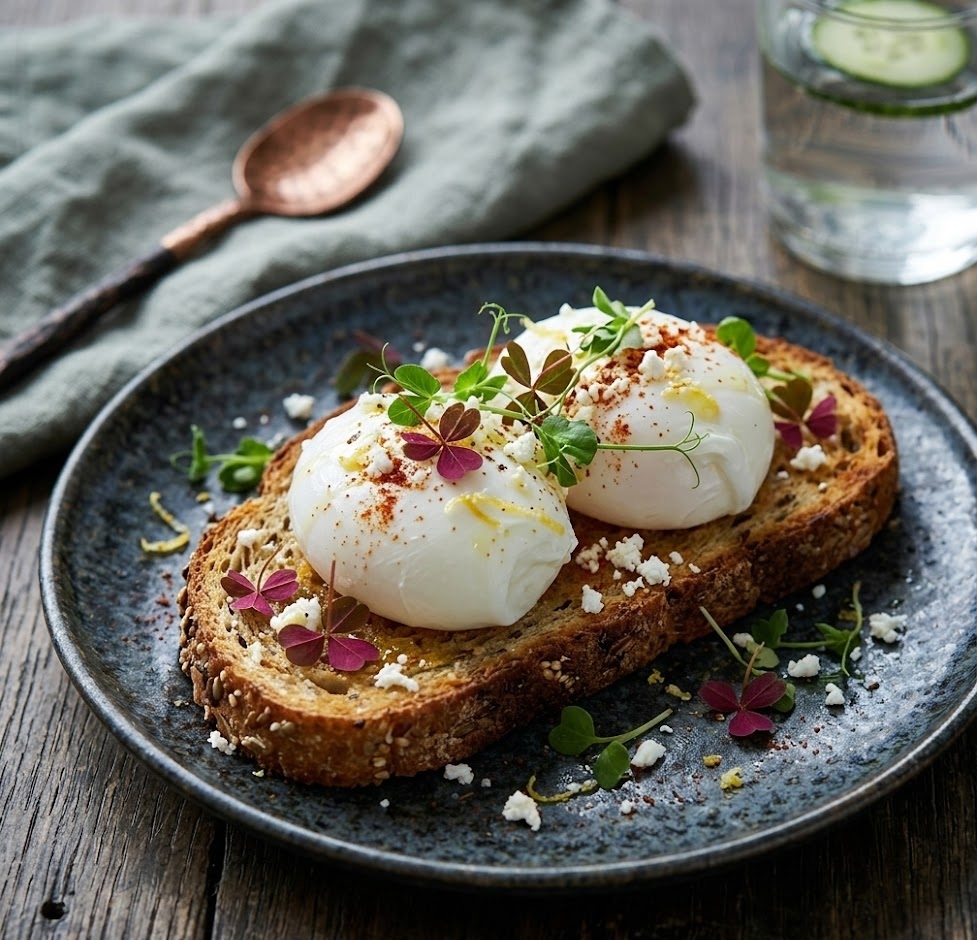
    James Martin Poached Eggs are beautifully simple, with tender whites and perfectly runny golden yolks that spill gently over warm toast. Light, delicate and full of flavour, they make a satisfying breakfast or elegant brunch. This is an easy recipe once you know the technique, and it takes just 10 minutes from start to finish. With a few careful steps, you will achieve restaurant-quality results every time.

    Ingredients

    For the Poached Eggs

    • 4 large free-range eggs
    • 1 litre water
    • 1 tablespoon white wine vinegar
    • ½ teaspoon fine sea salt

    For Serving

    • 2–4 slices thick white or sourdough bread
    • Butter, for spreading
    • Freshly ground black pepper
    • Sea salt flakes
    • Chopped fresh chives (optional)

    How to Make James Martin Poached Eggs

    • Prepare the water: Fill a medium saucepan with about 1 litre of water. Add the white wine vinegar and bring to a gentle simmer over medium heat. The water should be just below boiling with small bubbles forming at the base.
    • Crack the eggs: Crack each egg into a small ramekin or cup. This makes it easier to slide them gently into the water and keeps the shape neat.
    • Create a swirl: Stir the simmering water in a circular motion with a spoon to create a gentle whirlpool. This helps the egg white wrap around the yolk.
    • Poach the eggs: Carefully slide one egg into the centre of the swirl. Repeat with the remaining eggs, working in batches if needed. Cook for 3 minutes for a soft, runny yolk or 4 minutes for slightly firmer centres.
    • Toast the bread: While the eggs cook, toast the bread until golden and crisp. Butter generously.
    • Drain and trim: Lift the eggs out using a slotted spoon. Drain briefly on kitchen paper and trim any wispy edges if desired.
    • Serve immediately: Place the poached eggs on the buttered toast. Season with salt, black pepper and a sprinkle of fresh chives if using.
    How to Make James Martin Poached Eggs

    Tips for Perfect Poached Eggs

    Why are my eggs spreading in the water?

    Very fresh eggs hold their shape best. Always use the freshest eggs you can find and ensure the water is at a gentle simmer, not a rolling boil.

    Do I really need vinegar?

    Yes, a small amount of vinegar helps the egg whites set quickly and keeps the shape tidy. You will not taste it in the finished dish.

    How do I know when they are done?

    The whites should be fully set while the yolk remains soft. Gently press the yolk with a spoon. It should feel soft but not watery.

    Can I cook them in advance?

    You can poach eggs slightly under and refresh them in hot water for 30 seconds before serving. This is useful when cooking for guests.

    Serving Suggestions

    • Serve over buttered sourdough toast
    • Top grilled asparagus with a poached egg
    • Add to avocado toast with chilli flakes
    • Serve with smoked salmon and hollandaise sauce

    Storage

    At Room Temperature

    Poached eggs are best enjoyed immediately after cooking. They should not be left out for more than 1 hour.

    In the Refrigerator

    Store cooled poached eggs in a bowl of cold water in the fridge for up to 24 hours. Reheat gently in simmering water for 30 seconds before serving.

    Freezing

    Freezing is not recommended as the texture of the egg whites will become rubbery once thawed.

    Nutrition

    • Calories: 140 kcal
    • Carbohydrates: 1g
    • Protein: 12g
    • Fat: 10g
    • Saturated Fat: 3g
    • Sodium: 220mg

    Nutrition values are estimates and may vary depending on ingredients used.

    FAQs

    How long should I poach eggs for a runny yolk?

    Poach for around 3 minutes in gently simmering water. This gives set whites and a soft, flowing yolk.

    Can I poach eggs without vinegar?

    Yes, but vinegar helps the whites set more quickly. Without it, the eggs may spread slightly more in the water.

    How do chefs get such neat shapes?

    They use very fresh eggs, a gentle swirl in the water and trim away any wispy edges after cooking.

    Can I poach more than one egg at a time?

    Yes, but avoid overcrowding the pan. Two at a time works well in a medium saucepan.

    James Martin Poached Eggs

    Recipe by Milli RoseCourse: BreakfastCuisine: BritishDifficulty: Easy
    Servings

    4

    servings
    Prep time

    30

    minutes
    Cooking time

    40

    minutes
    Calories

    300

    kcal
    Total time

    1

    hour 

    10

    minutes

    Perfectly poached eggs with tender whites and rich, runny yolks. A simple and elegant breakfast ready in minutes.

    Ingredients

    • 4 large free-range eggs

    • 1 litre water

    • 1 tbsp white wine vinegar

    • ½ tsp fine sea salt

    • 2–4 slices thick white or sourdough bread

    • Butter, for spreading

    • Freshly ground black pepper

    • Sea salt flakes

    • Chopped fresh chives (optional)

    Directions

    • Bring water and vinegar to a gentle simmer.
    • Crack eggs into small cups.
    • Create a gentle swirl in the water.
    • Slide eggs into the centre and cook for 3–4 minutes.
    • Toast and butter bread.
    • Lift eggs out, drain and trim edges if needed.
    • Serve immediately with seasoning.

    Notes

    • Use very fresh eggs for best shape.
    • Keep water at a gentle simmer, not boiling.
    • Reheat in hot water for 30 seconds if preparing ahead.
  • James Martin Fluffy Dumplings

    James Martin Fluffy Dumplings

    These James Martin fluffy dumplings are light, tender, and wonderfully comforting. With a soft, airy centre and a gently crisp top, they are perfect for serving over rich stews and casseroles. This is an easy, foolproof recipe that comes together quickly with simple ingredients. Preparation takes around 10 minutes, and the dumplings cook in about 20 minutes, making them ideal for a hearty family meal.

    Ingredients

    For the Dumplings

    • 225g self-raising flour
    • 1 tsp baking powder
    • ½ tsp salt
    • 100g beef or vegetable suet
    • 2 tbsp fresh parsley, finely chopped (optional)
    • 120–150ml cold water

    How to Make James Martin Fluffy Dumplings

    • Prepare the cooking base: Ensure your stew or casserole is gently simmering in a wide, ovenproof pot. The liquid should be bubbling lightly but not boiling rapidly.
    • Mix the dry ingredients: In a large mixing bowl, combine the self-raising flour, baking powder, salt, and suet. Stir in the chopped parsley if using.
    • Add the water: Gradually pour in the cold water, stirring with a knife until the mixture comes together as a soft, slightly sticky dough. You may not need all the water.
    • Shape the dumplings: Divide the dough into 8 equal portions and gently roll into balls using lightly floured hands. Avoid overworking the dough to keep them light.
    • Cook the dumplings: Place the dumplings carefully on top of the simmering stew, spacing them slightly apart. Cover with a tight-fitting lid and cook for 18 to 20 minutes. Do not lift the lid during cooking, as the steam helps them rise.
    • Finish and serve: Once risen and fluffy, the dumplings should be firm on top and cooked through inside. Serve immediately with the stew.
    How to Make James Martin Fluffy Dumplings

    Tips for Perfect Fluffy Dumplings

    Why are my dumplings heavy instead of fluffy?

    This usually happens if the dough is overmixed or too much water is added. Stir just until combined and keep the texture soft but not wet.

    Can I make dumplings without suet?

    Yes, you can use grated cold butter instead. Rub it lightly into the flour mixture before adding water for a similar texture.

    Should dumplings be steamed or baked?

    Traditionally they are steamed on top of a stew with the lid on. For a crispier finish, remove the lid for the final 5 minutes of cooking in the oven.

    Serving Suggestions

    • Serve over a rich beef stew or chicken casserole.
    • Pair with slow-cooked lamb and root vegetables.
    • Enjoy with a hearty vegetable stew for a comforting meat-free option.
    • Add extra chopped parsley before serving for freshness.

    Storage

    Room Temperature

    Dumplings are best enjoyed fresh and hot. They can sit at room temperature for up to 2 hours before refrigeration.

    Refrigerator

    Store leftover dumplings in an airtight container in the fridge for up to 2 days. Reheat gently in the oven or microwave until piping hot.

    Freezing

    Cooked dumplings can be frozen for up to 2 months. Cool completely, wrap well, and freeze. Reheat from frozen in the oven until heated through.

    Nutrition

    • Calories: 220 kcal
    • Carbohydrates: 26g
    • Protein: 5g
    • Fat: 11g
    • Saturated Fat: 6g
    • Sodium: 320mg

    Nutrition values are approximate and may vary depending on ingredients used.

    FAQs

    Can I cook dumplings in the oven instead of on the hob?

    Yes, place them on top of your stew and cook in a covered ovenproof dish at 180°C for about 20 minutes until risen and cooked through.

    Can I make dumpling dough in advance?

    It is best made fresh, but you can prepare the dry mixture ahead of time and add water just before cooking.

    How do I know when dumplings are cooked?

    They should be well risen, firm on top, and fluffy inside. Insert a skewer into the centre to check that no wet dough remains.

    Can I add cheese to dumplings?

    Yes, stirring in 50g of grated mature cheddar adds extra flavour and richness.

    James Martin Fluffy Dumplings

    Recipe by Milli RoseCourse: Side DishCuisine: BritishDifficulty: Easy
    Servings

    4

    servings
    Prep time

    30

    minutes
    Cooking time

    40

    minutes
    Calories

    300

    kcal
    Total time

    1

    hour 

    10

    minutes

    Light, soft and airy dumplings steamed over a rich stew until perfectly fluffy. A comforting British classic that is quick and easy to prepare.

    Ingredients

    • 225g self-raising flour

    • 1 tsp baking powder

    • ½ tsp salt

    • 100g suet

    • 2 tbsp fresh parsley, chopped (optional)

    • 120–150ml cold water

    Directions

    • Ensure stew is simmering gently in a wide pot.
    • Mix flour, baking powder, salt and suet in a bowl.
    • Stir in water gradually to form a soft dough.
    • Divide into 8 balls and place on top of stew.
    • Cover and cook for 18–20 minutes without lifting lid.
    • Serve hot once risen and cooked through.

    Notes

    • Do not overmix the dough to keep dumplings light.
    • Keep the lid closed while cooking to trap steam.
    • For a crisp top, uncover for the final 5 minutes in the oven.
  • James Martin Carrot And Coriander Soup

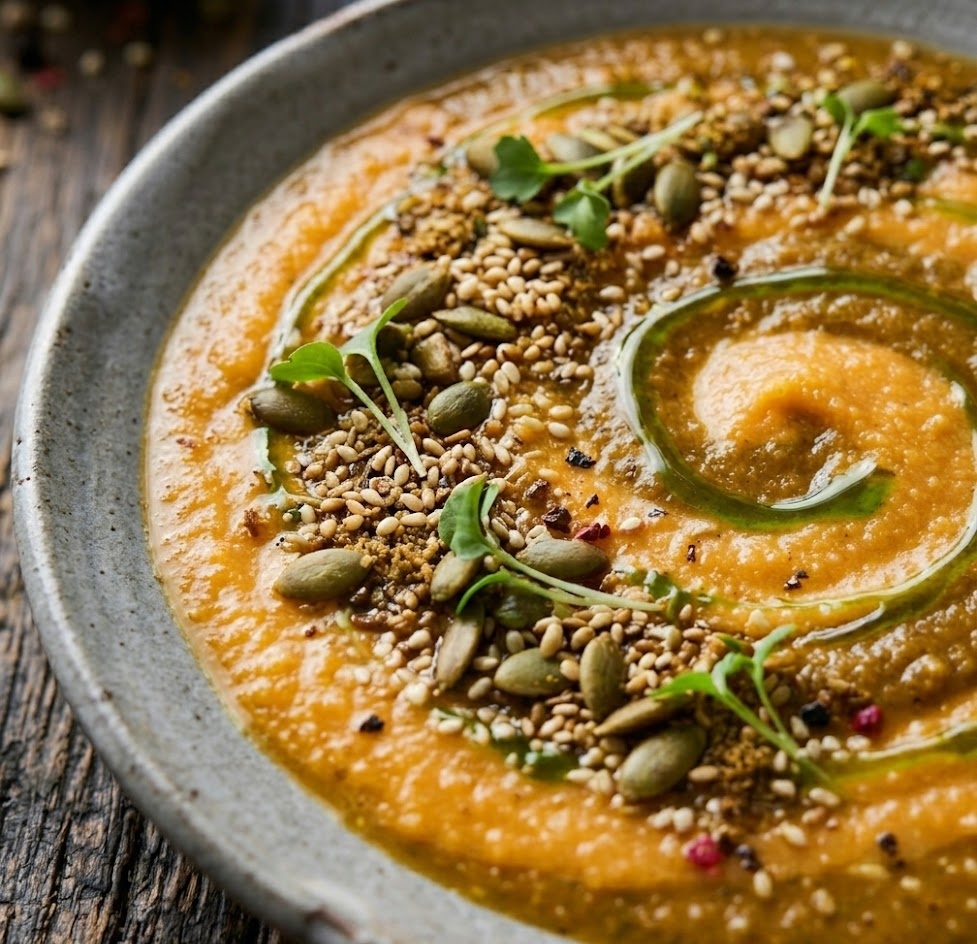
    James Martin Carrot And Coriander Soup

    This James Martin Carrot and Coriander Soup is a beautifully smooth, comforting bowl of goodness with a gentle sweetness from fresh carrots and a fragrant lift from coriander. The texture is velvety and light, with just enough warmth from subtle seasoning to make it deeply satisfying. It is wonderfully simple to prepare, making it perfect for beginners as well as confident home cooks. From start to finish, the soup takes around 40 minutes, making it ideal for a quick lunch or easy supper.

    Ingredients

    For the Soup

    • 1 tbsp olive oil
    • 1 medium onion, finely chopped
    • 1 garlic clove, crushed
    • 600g carrots, peeled and sliced
    • 1 medium potato, peeled and diced
    • 1 tsp ground coriander
    • 1 litre good-quality vegetable stock
    • Salt and freshly ground black pepper, to taste

    For Finishing

    • Small handful fresh coriander leaves, chopped
    • 2 tbsp double cream (optional)
    • Extra black pepper, to serve

    How to Make James Martin Carrot And Coriander Soup

    • Prepare the base: Heat the olive oil in a large saucepan over medium heat. Add the chopped onion and cook gently for 5 minutes until soft but not coloured.
    • Add garlic and spice: Stir in the crushed garlic and ground coriander. Cook for 1 minute until fragrant, taking care not to let the garlic brown.
    • Add the vegetables: Add the sliced carrots and diced potato to the pan. Stir well so everything is coated in the onion and spice mixture.
    • Pour in the stock: Add the vegetable stock and bring to the boil. Reduce the heat, cover with a lid and simmer gently for 20 to 25 minutes until the carrots and potato are completely tender.
    • Blend until smooth: Remove the pan from the heat. Blend the soup carefully using a hand blender until completely smooth and velvety. Alternatively, blend in batches using a countertop blender.
    • Season and finish: Return the soup to low heat. Season with salt and freshly ground black pepper to taste. Stir in the chopped fresh coriander and a swirl of cream if using.
    • Serve: Ladle into warm bowls and finish with extra coriander and black pepper.
    How to Make James Martin Carrot And Coriander Soup

    Tips

    How do I make the soup extra smooth?

    Blend thoroughly while the vegetables are still hot, and allow the blender to run for a little longer than you think necessary. Passing the soup through a sieve will give an even silkier texture.

    Why does my soup taste bland?

    Carrots are naturally sweet, so proper seasoning is essential. Add salt gradually and taste as you go. A small squeeze of lemon juice can also brighten the flavour.

    Can I make it spicier?

    Yes, add a pinch of chilli flakes or a little fresh grated ginger when cooking the onions for a gentle heat.

    Serving Suggestions

    • Serve with warm crusty bread or buttered sourdough
    • Add homemade croutons for texture
    • Pair with a simple cheese toastie
    • Finish with a drizzle of extra virgin olive oil

    Storage

    Room Temperature

    Allow the soup to cool slightly, but do not leave it at room temperature for more than 2 hours.

    Refrigerator

    Store in an airtight container for up to 3 days. Reheat gently on the hob until piping hot, stirring occasionally.

    Freezing

    This soup freezes beautifully. Cool completely, then freeze in suitable containers for up to 3 months. Defrost overnight in the refrigerator before reheating.
    Nutrition

    • Calories: 180 kcal
    • Carbohydrates: 24g
    • Protein: 3g
    • Fat: 8g
    • Saturated Fat: 2g
    • Sodium: 520mg

    Nutrition values are estimates and may vary depending on exact ingredients used.

    FAQs

    Can I make this soup vegan?

    Yes, simply omit the double cream or replace it with a dairy-free alternative such as oat or coconut cream.

    Can I use ground coriander instead of fresh?

    Ground coriander is used during cooking for warmth, while fresh coriander is added at the end for brightness. Both give different flavour notes.

    Can I make this soup ahead of time?

    Yes, it actually tastes even better the next day as the flavours develop. Store in the refrigerator and reheat gently.

    How can I thicken the soup if it is too thin?

    Simmer uncovered for a few extra minutes to reduce, or add a small boiled potato and blend again.

    James Martin Carrot And Coriander Soup

    Recipe by Milli RoseCourse: SoupCuisine: BritishDifficulty: Easy
    Servings

    4

    servings
    Prep time

    30

    minutes
    Cooking time

    40

    minutes
    Calories

    300

    kcal
    Total time

    1

    hour 

    10

    minutes

    A smooth and comforting carrot and coriander soup with gentle sweetness and fragrant warmth. Perfect for a light lunch or simple supper.

    Ingredients

    • 1 tbsp olive oil

    • 1 medium onion, finely chopped

    • 1 garlic clove, crushed

    • 600g carrots, peeled and sliced

    • 1 medium potato, peeled and diced

    • 1 tsp ground coriander

    • 1 litre vegetable stock

    • Salt and black pepper, to taste

    • Fresh coriander leaves, chopped

    • 2 tbsp double cream (optional)

    Directions

    • Heat oil in a saucepan and soften the onion for 5 minutes.
    • Add garlic and ground coriander and cook briefly.
    • Add carrots and potato and stir well.
    • Pour in stock, bring to boil and simmer for 20–25 minutes.
    • Blend until smooth and return to heat.
    • Season, stir in fresh coriander and cream if using.

    Notes

    • Blend carefully while hot.
    • Taste and adjust seasoning before serving.
    • Freezes well for up to 3 months.
  • James Martin Turkey Crown

    James Martin Turkey Crown

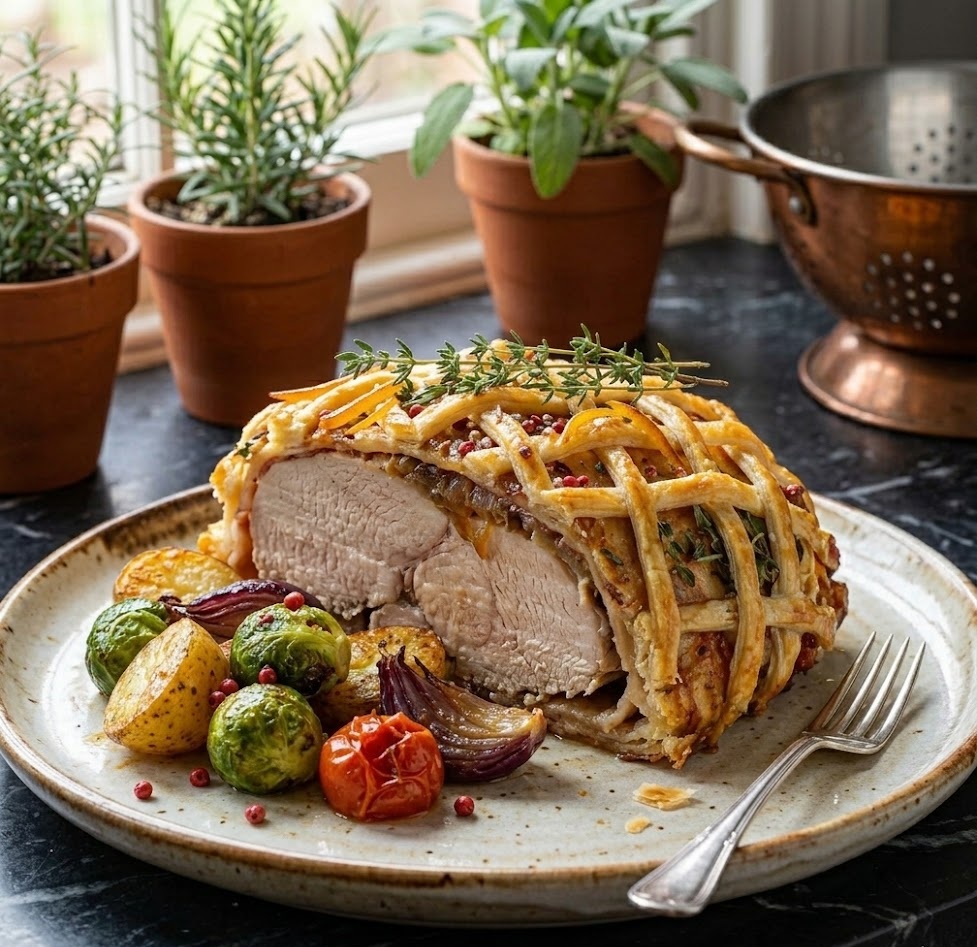
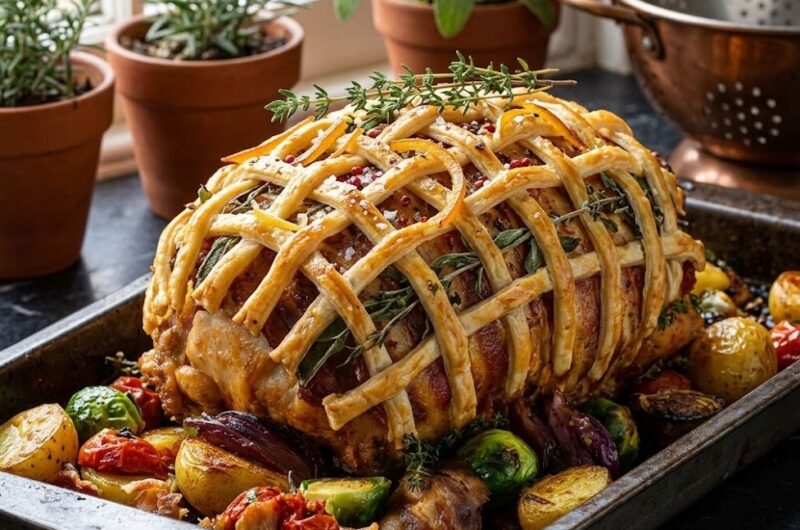
    This James Martin Turkey Crown is a wonderfully simple yet impressive centrepiece, perfect for Sunday lunch or a smaller Christmas gathering. The meat is tender and succulent, with crisp golden skin and delicate herb butter flavour running through every slice. It is far easier to carve than a whole bird, making it ideal for confident beginners and experienced cooks alike. Preparation takes around 20 minutes, with a total cooking time of approximately 1 hour 45 minutes.

    Ingredients

    For the Turkey

    • 1 turkey crown (about 2.5–3kg)
    • 75g unsalted butter, softened
    • 2 tbsp olive oil
    • 2 garlic cloves, finely grated
    • 1 tbsp fresh thyme leaves
    • 1 tbsp fresh parsley, finely chopped
    • Zest of 1 lemon
    • Salt and freshly ground black pepper

    For the Roasting Tray

    • 1 large onion, thickly sliced
    • 1 carrot, roughly chopped
    • 1 celery stick, chopped
    • 200ml chicken stock

    How to Make James Martin Turkey Crown

    • Prepare the oven: Preheat the oven to 200°C or 180°C fan. Place a shelf in the middle of the oven so the turkey cooks evenly and the skin crisps beautifully.
    • Prepare the herb butter: In a small bowl, mix the softened butter with garlic, thyme, parsley, lemon zest, salt and pepper until well combined.
    • Prepare the turkey: Pat the turkey crown dry with kitchen paper. Gently loosen the skin over the breast and spread half the herb butter underneath. Rub the remaining butter all over the top and sides, then drizzle with olive oil.
    • Arrange the roasting tray: Scatter the onion, carrot and celery in a large roasting tin. Sit the turkey crown on top and pour the chicken stock into the base of the tin.
    • Roast the turkey: Place in the oven and roast for 20 minutes at 200°C, then reduce the temperature to 180°C or 160°C fan and cook for a further 1 hour 15–1 hour 25 minutes. Baste once or twice during cooking.
    • Check for doneness: Insert a skewer into the thickest part of the breast. The juices should run clear and the internal temperature should reach 75°C.
    • Rest before carving: Remove from the oven, cover loosely with foil and rest for at least 20–30 minutes. This keeps the meat juicy and makes carving easier.
    How to Make James Martin Turkey Crown

    Tips

    How do I keep the turkey crown moist?

    Spreading butter under the skin and allowing the meat to rest properly after roasting makes a huge difference. Avoid overcooking by checking the internal temperature.

    Should I cover the turkey while roasting?

    If the skin browns too quickly, loosely cover the top with foil for the remaining cooking time.

    Can I add bacon on top?

    Yes, laying streaky bacon over the breast adds extra moisture and flavour. Remove it for the final 20 minutes to crisp the skin.

    Why is resting important?

    Resting allows the juices to redistribute throughout the meat, preventing dryness when carving.

    Serving Suggestions

    • Crispy roast potatoes
    • Buttered Brussels sprouts
    • Honey glazed carrots
    • Rich homemade gravy made from the roasting juices
    • Traditional bread sauce or cranberry sauce

    Storage

    Room Temperature

    Do not leave cooked turkey out for more than 2 hours. After serving, cool and refrigerate promptly.

    Refrigerator

    Store carved turkey in an airtight container for up to 3 days. Reheat thoroughly before serving.

    Freezing

    Freeze sliced turkey in freezer-safe containers for up to 2 months. Defrost overnight in the refrigerator and reheat gently to prevent drying out.

    Nutrition

    • Calories: 420 kcal
    • Carbohydrates: 2g
    • Protein: 55g
    • Fat: 22g
    • Saturated Fat: 9g
    • Sodium: 520mg

    Nutrition values are estimates and may vary depending on exact ingredients used.

    FAQs

    How long does a 3kg turkey crown take to cook?

    A 3kg turkey crown typically takes around 1 hour 35 to 1 hour 45 minutes at 180°C, plus at least 20 minutes resting time.

    What temperature should turkey crown be cooked to?

    The internal temperature should reach 75°C in the thickest part of the breast for safe and juicy results.

    Can I prepare the turkey crown the night before?

    Yes, you can apply the herb butter and keep it covered in the refrigerator overnight. Bring it to room temperature for 30 minutes before roasting.

    Is a turkey crown better than a whole turkey?

    A turkey crown is ideal for smaller gatherings. It cooks faster, is easier to carve, and still delivers tender, flavourful breast meat.

    James Martin Turkey Crown

    Recipe by Milli RoseCourse: Main CourseCuisine: BritishDifficulty: Easy
    Servings

    4

    servings
    Prep time

    30

    minutes
    Cooking time

    40

    minutes
    Calories

    300

    kcal
    Total time

    1

    hour 

    10

    minutes

    Succulent roasted turkey crown with garlic herb butter and crisp golden skin, perfect for festive gatherings or Sunday lunch.

    Ingredients

    • 1 turkey crown (2.5–3kg)

    • 75g unsalted butter, softened

    • 2 tbsp olive oil

    • 2 garlic cloves, grated

    • 1 tbsp fresh thyme leaves

    • 1 tbsp fresh parsley, chopped

    • Zest of 1 lemon

    • Salt and black pepper

    • 1 onion, sliced

    • 1 carrot, chopped

    • 200ml chicken stock

    Directions

    • Preheat oven to 200°C (180°C fan).
    • Mix butter with garlic, herbs and lemon zest.
    • Loosen turkey skin and spread butter underneath and over top.
    • Place vegetables in roasting tin and sit turkey on top. Add stock.
    • Roast 20 minutes, reduce heat to 180°C and cook 75–85 minutes more.
    • Rest covered with foil for 20–30 minutes before carving.

    Notes

    • Always rest the turkey before carving.
    • Baste once or twice during cooking for extra moisture.
    • Leftovers are perfect for sandwiches and salads.
  • James Martin Bacon And Sausage-Stuffed Potato Loaf

    James Martin Bacon And Sausage-Stuffed Potato Loaf

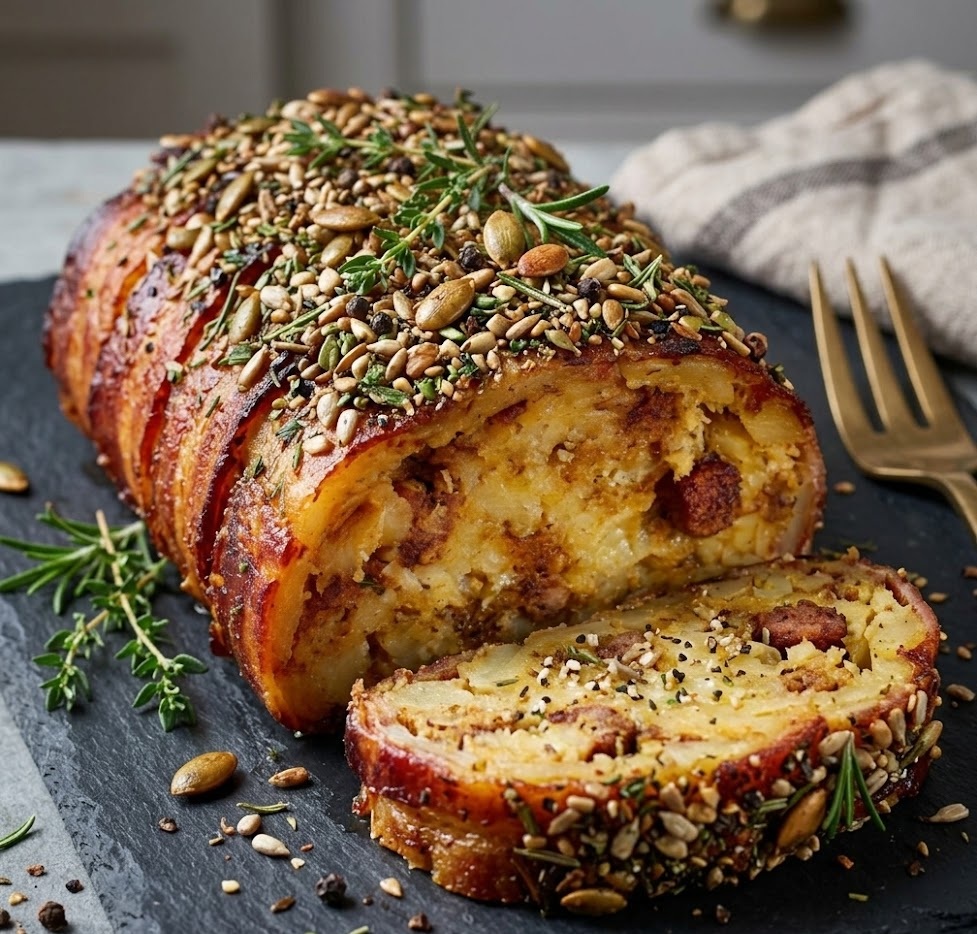
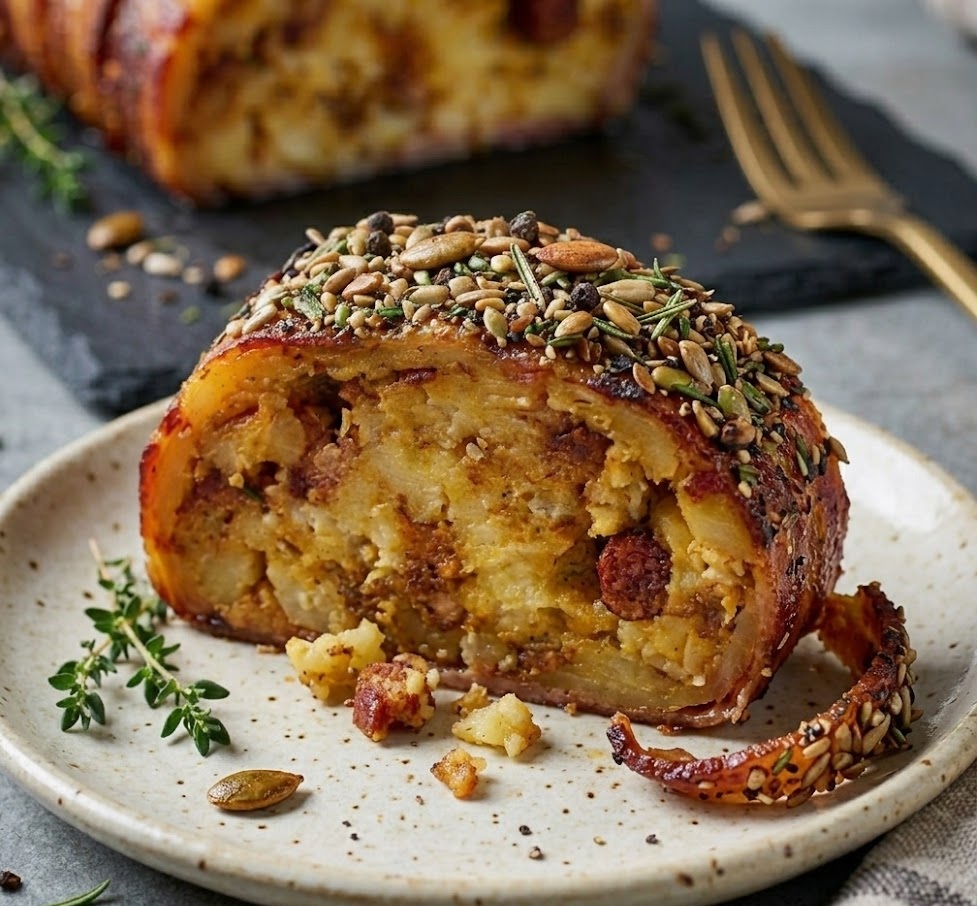
    This James Martin Bacon And Sausage-Stuffed Potato Loaf is a hearty, savoury bake made with fluffy mashed potatoes wrapped around a rich sausage and bacon filling. Crisp on the outside and tender in the centre, it delivers deep, comforting flavour in every slice. It is straightforward to prepare and ideal for a relaxed weekend cook, taking around 1 hour 40 minutes from start to finish. Serve it hot in thick slices for a satisfying family meal.

    Ingredients

    For the Potato Loaf

    • 1kg floury potatoes, peeled and cut into chunks
    • 40g unsalted butter
    • 1 medium egg, beaten
    • 3 tbsp plain flour, plus extra for dusting
    • Salt and freshly ground black pepper

    For the Bacon and Sausage Filling

    • 6 good-quality pork sausages, skins removed
    • 150g smoked streaky bacon, finely chopped
    • 1 small onion, finely diced
    • 1 tsp fresh thyme leaves
    • 1 tsp Dijon mustard
    • Salt and freshly ground black pepper

    For Brushing

    • 1 egg, beaten

    How to Make James Martin Bacon And Sausage-Stuffed Potato Loaf

    • Prepare the oven: Preheat the oven to 200°C or 180°C fan. Line a baking tray with baking parchment and place a shelf in the middle of the oven.
    • Cook the potatoes: Place the potatoes in a large pan of salted water. Bring to the boil and simmer for 15 to 20 minutes until completely tender. Drain well and allow the steam to evaporate for a few minutes.
    • Make the mash: Mash the potatoes until completely smooth. Stir in the butter, beaten egg and flour. Season generously with salt and pepper, then leave to cool until just warm.
    • Prepare the filling: In a frying pan over medium heat, cook the sausage meat, breaking it up with a spoon. Add the chopped bacon and onion and cook for 6 to 8 minutes until lightly golden and cooked through. Stir in the thyme and Dijon mustard, then season to taste. Remove from the heat and allow to cool slightly.
    • Shape the loaf: Lightly flour a sheet of baking parchment. Spoon the mashed potato mixture onto it and shape into a rectangle about 2cm thick. Spread the sausage and bacon mixture evenly down the centre, leaving a border around the edges.
    • Seal and brush: Carefully fold the potato over the filling to enclose it completely, shaping into a neat loaf. Transfer to the lined baking tray seam-side down. Brush all over with beaten egg.
    • Bake: Bake for 35 to 40 minutes until golden brown and crisp on the outside.
    • Rest and slice: Leave to rest for 10 minutes before slicing thickly. This helps the filling settle and makes serving easier.

    How to Make James Martin Bacon And Sausage-Stuffed Potato Loaf

    Tips

    Why is my potato mixture too soft to shape?

    If the mash feels sticky or loose, it may still be too warm or contain excess moisture. Allow it to cool fully and add an extra spoonful of flour if needed.

    How do I stop the loaf from splitting?

    Make sure the filling is not too hot when assembling and avoid overfilling. Seal the edges firmly and place the loaf seam-side down on the tray.

    Can I prepare it in advance?

    Yes, you can assemble the loaf earlier in the day and keep it chilled. Brush with egg just before baking.

    What potatoes work best?

    Floury varieties such as Maris Piper or King Edward give the lightest texture and crisp finish.

    Serving Suggestions

    • Serve with buttered seasonal greens
    • Add a spoonful of onion gravy
    • Pair with a crisp green salad
    • Enjoy with baked beans for a comforting supper

    Storage

    Room Temperature

    Best enjoyed fresh, but can stand at room temperature for up to 2 hours after baking.

    Refrigerator

    Store slices in an airtight container for up to 3 days. Reheat in the oven to maintain crispness.

    Freezing

    Freeze whole or in slices for up to 2 months. Wrap tightly and thaw overnight in the fridge before reheating.

    Nutrition

    • Calories: 420 kcal per serving
    • Carbohydrates: 38g
    • Protein: 18g
    • Fat: 22g
    • Saturated Fat: 9g
    • Sodium: 780mg

    Nutritional values are approximate and may vary depending on ingredients used.

    FAQs

    Can I use different sausages?

    Yes, you can use pork and apple, Cumberland or even chicken sausages. Choose a well-seasoned variety for the best flavour.

    Can I make this without bacon?

    You can omit the bacon and increase the sausage meat slightly. Adding a little smoked paprika will help maintain depth of flavour.

    Can I cook this in a loaf tin?

    It is best baked free-form on a tray for a crisp exterior, but you can shape it in a lined loaf tin if preferred.

    How do I know when it is cooked through?

    The outside should be golden and firm. If unsure, insert a skewer into the centre to ensure the filling is hot all the way through.

    James Martin Bacon And Sausage-Stuffed Potato Loaf

    Recipe by Milli RoseCourse: Main CourseCuisine: BritishDifficulty: Easy
    Servings

    4

    servings
    Prep time

    30

    minutes
    Cooking time

    40

    minutes
    Calories

    300

    kcal
    Total time

    1

    hour 

    10

    minutes

    Crisp golden potato loaf stuffed with savoury sausage and smoked bacon, baked until perfectly golden and served in thick slices.

    Ingredients

    • 1kg floury potatoes

    • 40g unsalted butter

    • 1 medium egg, beaten

    • 3 tbsp plain flour

    • 6 pork sausages, skins removed

    • 150g smoked streaky bacon, chopped

    • 1 small onion, finely diced

    • 1 tsp fresh thyme leaves

    • 1 tsp Dijon mustard

    • 1 egg, for brushing

    • Salt and black pepper

    • Extra flour for dusting

    Directions

    • Preheat oven to 200°C (180°C fan) and line a baking tray with parchment.
    • Boil potatoes in salted water until tender, then drain and steam dry.
    • Mash with butter, beaten egg and flour. Season well and cool slightly.
    • Cook sausage meat with bacon and onion until golden. Stir in thyme and mustard.
    • Shape mash into a rectangle, spoon filling down centre and fold to enclose.
    • Brush with beaten egg and bake for 35–40 minutes until golden.
    • Rest for 10 minutes before slicing and serving.

    Notes

    • Allow mash to cool slightly before shaping.
    • Seal edges well to prevent splitting.
    • Reheat slices in the oven for best texture.

slot depo

sicbo online